
The Valley
Kern County Basque Festival & Sheepherding Heritage
Basque sheepherders settled Bakersfield in the early 1900s, leaving a community still active today: the Kern County Basque Club and its Memorial Day festival.
Updated September 2026
Long before Bakersfield was an oil town or a country-music town, it was becoming something else: one of the most concentrated Basque communities in the American West. That history is still visible today, both in a cultural club that’s been running since 1944 and in the city’s restaurants. But the story starts with sheep.
Why Basques came to Kern County
Basque immigrants, from the Basque Country straddling the border of Spain and France, arrived in California in large numbers starting in the early 1900s, drawn by work herding sheep across the American West’s open rangeland. It was solitary, physically demanding work (weeks alone with a flock in remote terrain), but it required little English and offered a foothold for new arrivals with few other options. Back home, a system of primogeniture generally left the family farmstead to the oldest child, so younger sons with little prospect of inheriting land were often the ones who left; sheepherding paid comparatively well precisely because most people considered it undesirable, which meant Basque newcomers filled a labor gap the region genuinely needed filled. Kern County’s foothills and mountain grazing land made it a natural landing spot, and the pattern repeated across a generation: almost all of the Basque men who emigrated to the area started out as sheepherders, according to the community’s own historical accounts, before many eventually settled permanently and built lives in Bakersfield itself.
The boarding houses that came first
Long before the club existed, the boarding houses did. The Noriega Hotel, opened in 1893 near Bakersfield’s old Southern Pacific Railroad depot under the original name Iberia Hotel, became the template for the community: a place where new Basque arrivals, often speaking little or no English, could find a bed, a job lead, mail from home, and a communal dining table serving the same family-style meals the city’s Basque restaurants still serve today. By the late 1930s it had become the social nucleus of Kern County’s Basque population, the gathering point for new immigrants and established families alike. The same family took over its operation in 1931 and ran it continuously until it finally closed in 2020, an unbroken run of nearly ninety years under one family that outlasted most other Basque boarding houses of its kind in California. That same boarding-house model, repeated at other addresses around Bakersfield, is part of what eventually gave the community enough critical mass to formalize itself into a club.
The Kern County Basque Club
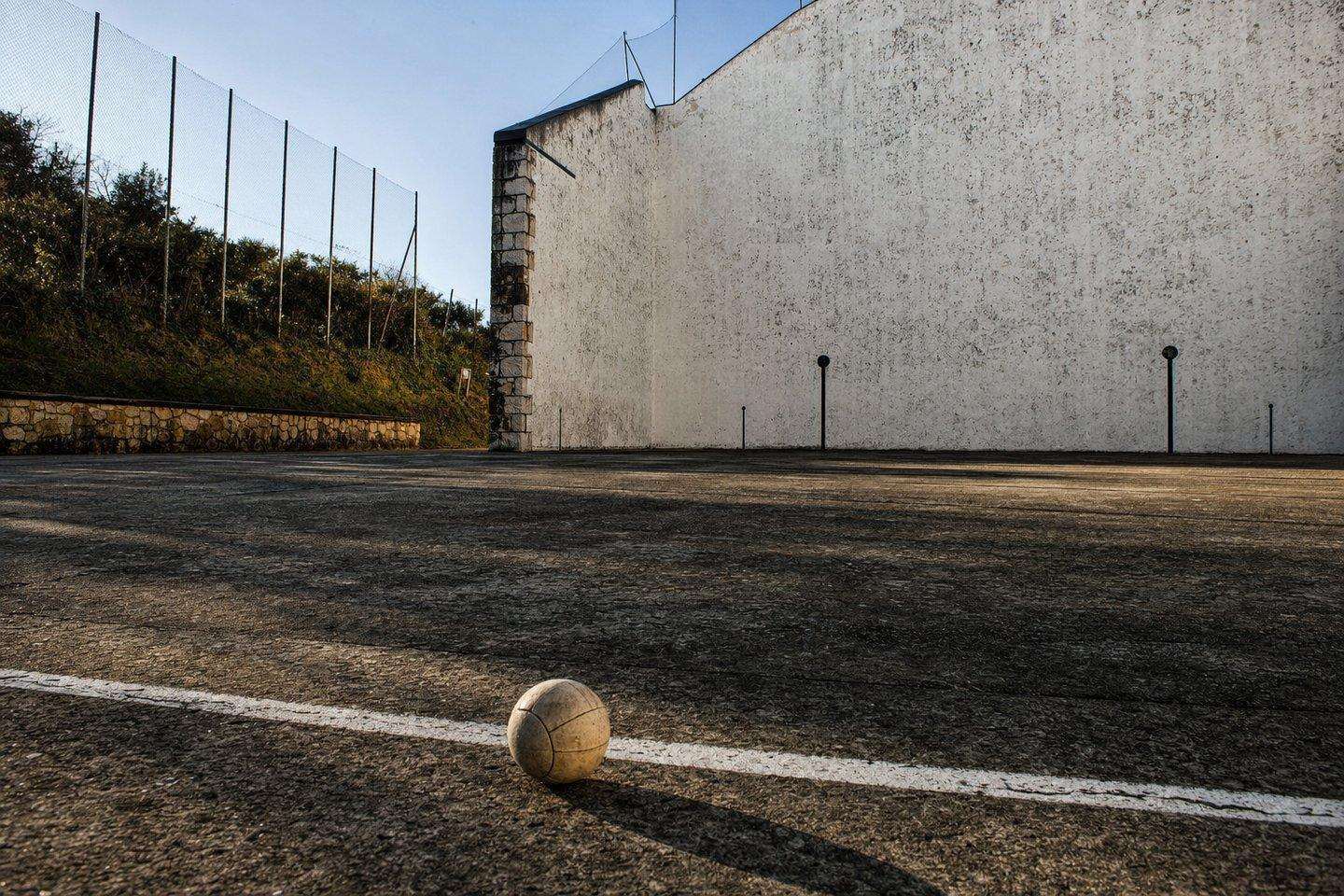
The community’s cultural anchor is the Kern County Basque Club, founded in 1944 by a small group of local Basque community members who drew up the organization’s articles of incorporation that year. Five men signed those founding documents on March 20, 1944: John Ansolabehere, Frank Maitia Sr., Felix Etcheverry, Raymond Castanchoa, and Inocencio Jaurena. The clubhouse grounds were expanded in 1972 with the addition of a fronton. The club’s stated purpose, in its own historical language, was straightforward: perpetuating Basque culture (“the people, then their social events, the eating, drinking, laughing, dancing, singing”) for the community and its friends. The clubhouse at 2301 South Union Avenue in Bakersfield includes a handball court named “Gure Amentsa” (“our dream,” in Euskara, the Basque language), reflecting how central the sport of handball, or pelota, is to Basque cultural identity.
The festival
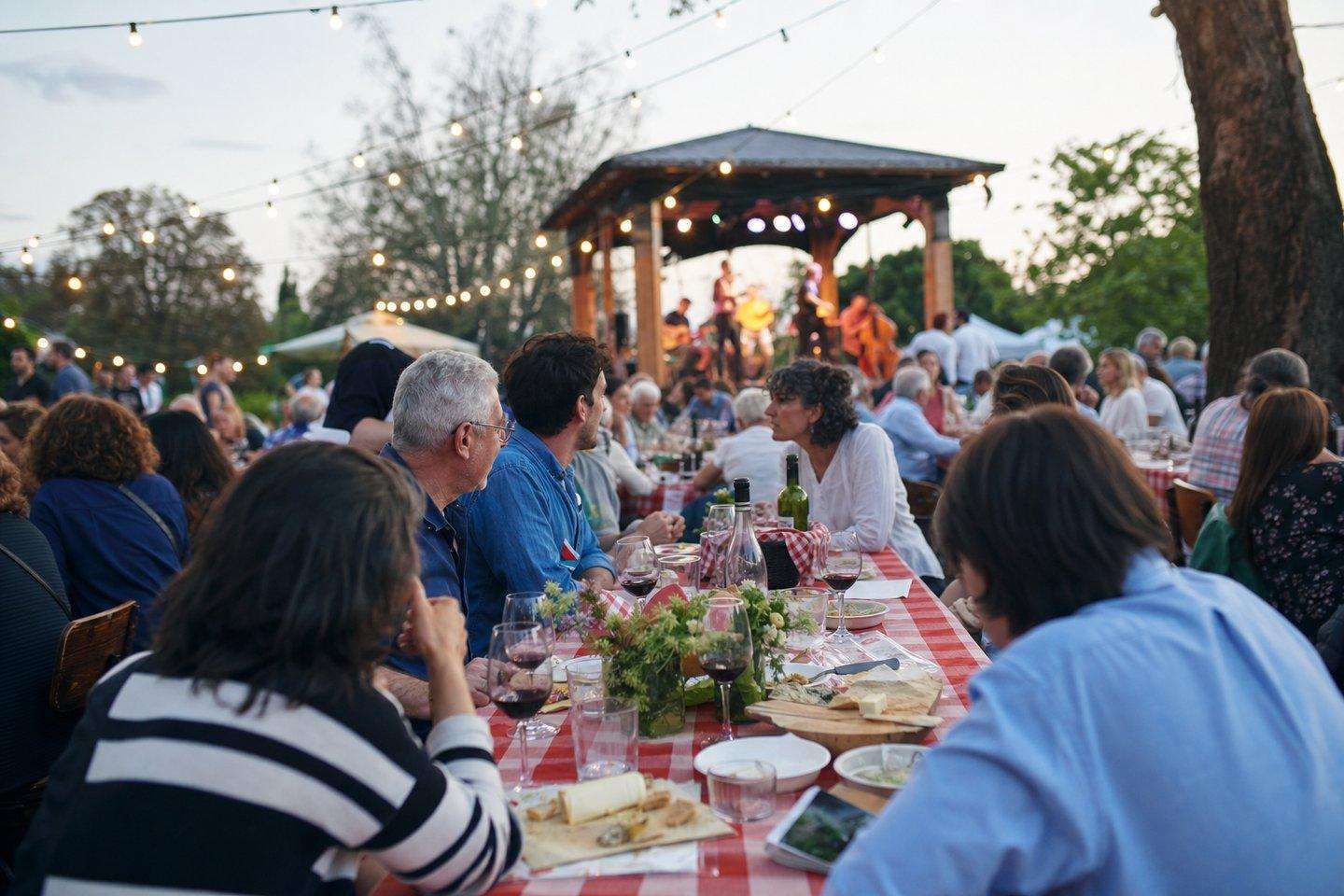
Every Memorial Day weekend, the club runs the Kern County Basque Festival, widely considered the largest Basque festival in California. It’s a three-day event built around food and red wine, music and dancing, alongside more specifically Basque traditions: a mus card tournament (mus is a traditional Basque card game) and handball matches on the club’s own court. The festival regularly draws performers from beyond the local community too, including musicians and athletes visiting from the Basque Country itself, plus dance groups from Basque communities elsewhere in California: a real, ongoing cultural exchange rather than a one-off heritage celebration.
Basque culture beyond festival weekend
The Basque presence in Bakersfield isn’t limited to one weekend a year. The city’s Basque restaurants keep the same communal, family-style tradition running year-round: long shared tables, no printed menu, courses built around lamb and simple hearty stews, a direct descendant of the boarding houses that once fed the sheepherders themselves before those boarding houses evolved into the restaurants operating today. For a visitor who can’t time a trip to Memorial Day weekend, a meal at one of those restaurants is the most accessible way to experience the same heritage the festival celebrates. Our dining guide covers Bakersfield’s Basque restaurants in more depth, and our calendar lists the Basque Festival alongside Kern County’s other major annual events.
Frequently Asked Questions
Why does Bakersfield have a Basque community?
Basque immigrants came to California in large numbers starting in the early 1900s to work as sheepherders: solitary, itinerant work that suited new arrivals without much English. Almost all the men who emigrated to the Kern County area started out herding sheep, and many eventually settled permanently in Bakersfield.
What is the Kern County Basque Club?
A cultural organization founded in 1944 by a group of local Basque community members to perpetuate Basque culture in Kern County. Its clubhouse, at 2301 South Union Avenue in Bakersfield, includes a handball court called "Gure Amentsa."
When is the Kern County Basque Festival?
Every Memorial Day weekend, run by the Kern County Basque Club. It's a three-day event and is considered the largest Basque festival in California.
What happens at the Kern County Basque Festival?
Food, red wine, music, and dancing, alongside more distinctly Basque traditions: a mus card tournament and handball (pelota) games on the club's court, plus performances by musicians and athletes visiting from the Basque Country itself and dance groups from around California.
Where can I experience Basque culture in Bakersfield outside festival weekend?
At the city's Basque restaurants, which carry the same communal-table, family-style tradition year-round: long tables, no printed menu, courses built around lamb and hearty stews. Our [dining guide](/dining/) covers Bakersfield's Basque restaurants directly.