
The Valley
CALM: The California Living Museum in Bakersfield
Kern County's zoo focuses on California native species, many non-releasable rescue animals, plus a botanical garden and paleontology exhibits.
Updated September 2026
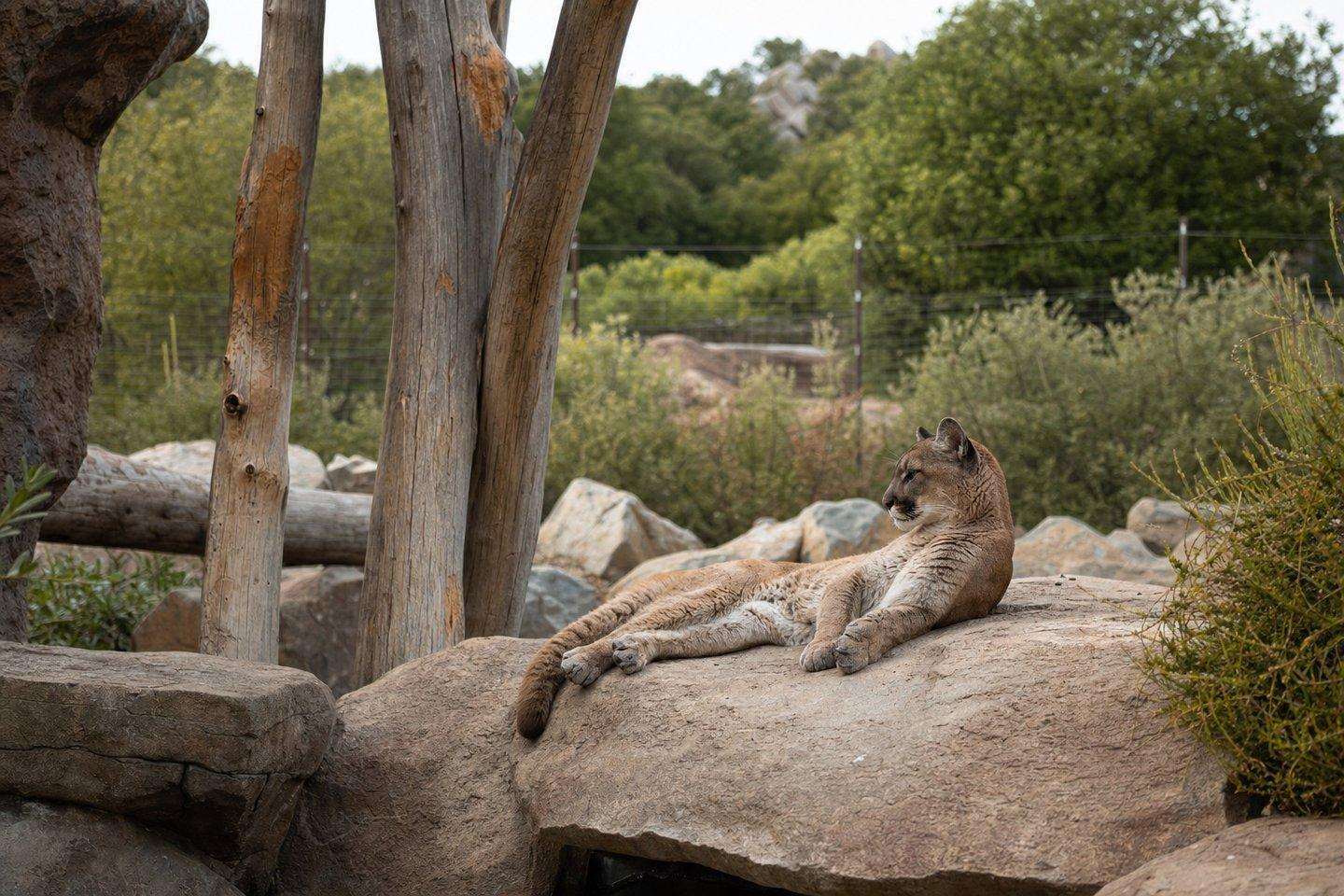
Most zoos are built to show visitors animals from everywhere else: savanna, rainforest, tundra. CALM, Kern County’s zoo just northeast of Bakersfield, does the opposite. Every animal here is a California native, and a large share of them didn’t come from a breeding program at all. They came from a rescue, and can’t go back to the wild.
A zoo built around rescue, not collection
CALM stands for the California Living Museum, and its founding mission in 1980 was as much about wildlife rehabilitation as public education. The zoo houses roughly 250 animals across about 80 species, and a significant portion are non-releasable: animals with permanent injuries or disabilities, or ones that became too dependent on humans to survive on their own in the wild. Rather than turn those animals away, CALM built its entire zoo around giving them a permanent home while using them to teach visitors about the wildlife that actually shares the county with them: mountain lions, black bears, bald eagles, and other species a visitor is far more likely to encounter (or hit with a car) somewhere in Kern County than see safely in the wild.
CALM opened to the public in 1983, drawing a little over 9,000 visitors in that first year. It has grown substantially since then: by 2023, annual attendance had climbed past 100,000. It’s accredited by the Zoological Association of America (ZAA), a credential that reflects ongoing standards for animal welfare and facility management, not just historical goodwill.
That rescue mission runs deeper than the animals on permanent display suggest. CALM operates a dedicated Wildlife Rehab Center, permitted by the California Department of Fish and Wildlife and the U.S. Fish and Wildlife Service, that has treated and released thousands of sick, injured, or orphaned native animals back into the wild over the years. Only the ones that can’t survive on their own again, because of a permanent injury or disability, end up staying on as the zoo’s living exhibits, which means every animal a visitor sees at CALM has a real reason for being there rather than simply being part of a collection assembled for display.
More than animals: gardens, fossils, and geology
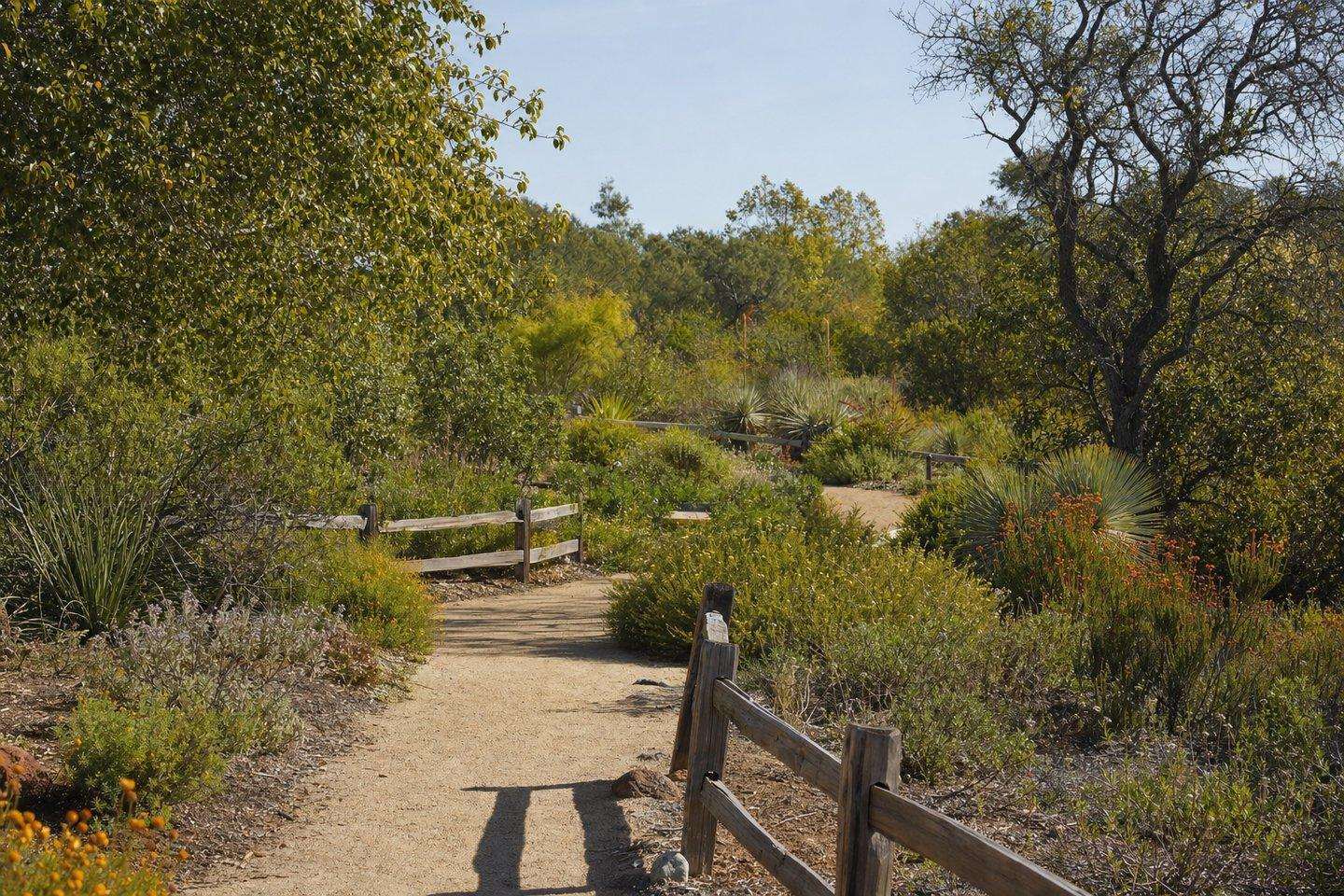
The “Living Museum” name isn’t just branding for the zoo half of the site. CALM also includes a botanical garden built around California native plants, and its exhibits extend into paleontology and geology alongside the live-animal habitats, a natural complement to the Buena Vista Museum’s Sharktooth Hill fossil collection elsewhere in Bakersfield, since much of Kern County’s fossil record comes from the same native landscape CALM’s living exhibits represent.
Planning a visit
CALM is open Tuesday through Sunday, 9 a.m. to 4 p.m., closed for a handful of major holidays. One detail worth knowing before a summer trip: on days when the forecast tops 105°F (not unusual for a Bakersfield summer), the zoo closes early, at noon, for the animals’ and staff’s sake. Admission runs $10 for adults, $7 for seniors 60 and older, and $6 for children ages 3 to 12, with kids under 3 admitted free.
The zoo sits at 10500 Alfred Harrell Highway, on Bakersfield’s northeast edge near Lake Ming, close enough to the fishing and lake-recreation area covered in our Kern County fishing guide that the two make an easy pairing for a family day trip out of the city center.
Getting the most from a visit
CALM’s paved paths are gently graded and accessible to wheelchairs and strollers throughout, with benches spaced along the route for anyone who’d rather slow down than power through the whole loop in one pass. A covered picnic area shaded by oak trees looks out over the Kern River Valley, a genuinely nice spot for a packed lunch rather than an afterthought tacked onto the parking lot, and a playground nearby gives younger kids somewhere to burn off energy once they’ve had their fill of looking at animals. Timing helps too: many of the resident animals are more active and visible around midday, when staff handle feeding for several species, so a late-morning arrival tends to make for a livelier visit than one planned for late afternoon.
CALM’s rescue mission extends into education as well. The zoo runs on-site programs for more than 16,000 Kern County schoolchildren a year, making it one of the county’s more significant hands-on science resources rather than just a weekend outing. Groups can also book discounted visits outside the school-program calendar, with reduced per-person rates for parties reserved a few weeks in advance, worth knowing for a family reunion, a birthday group, or any visit larger than a typical family of four.
Frequently Asked Questions
What is CALM in Bakersfield?
CALM (the California Living Museum) is Kern County's zoo, focused exclusively on animals and plants native to California. It combines a zoo, a botanical garden, and paleontology and geology exhibits, founded in 1980 and opened to the public in 1983.
Are the animals at CALM native to California?
Yes, unlike a typical zoo with animals from around the world, CALM's collection is built entirely around California native species, with a particular focus on wildlife from Kern County itself.
Why do some CALM animals stay at the zoo permanently?
Many of CALM's roughly 250 animals, representing about 80 species, are non-releasable: they can't survive in the wild due to injuries, disabilities, or having become dependent on humans. CALM functions as a rescue and rehabilitation facility as much as a zoo.
What are CALM's hours and admission?
Tuesday through Sunday, 9 a.m. to 4 p.m. (closed a few major holidays), with early closure at noon on days forecast above 105°F. Admission is $10 for adults, $7 for seniors (60+), and $6 for children ages 3-12; children under 3 are free.
Where is CALM located?
At 10500 Alfred Harrell Highway in Bakersfield, on the northeast edge of the city near Lake Ming, the same general area covered in our Kern County fishing guide.