
Countywide
Kern County Camping: Rivers, Mountains, and Desert
From riverside sites along the Upper Kern to primitive desert camping at Red Rock Canyon, Kern County's campgrounds split between mountain and desert terrain.
Updated September 2026
Kern County camping options fall into two genuinely different categories: forested, riverside sites in the Sierra Nevada foothills around Lake Isabella, and open, primitive desert camping out toward Red Rock Canyon and the Mojave. Which one fits a trip depends entirely on which half of the county you’re headed to.
Kern County camping on the Upper Kern River (Sequoia National Forest)
The stretch of the Kern River between Lake Isabella and the Johnsondale Bridge, inside Sequoia National Forest, has the highest concentration of riverside campgrounds in the county. Developed U.S. Forest Service campgrounds along this stretch include Headquarters, Camp Three, Fairview, Goldledge, and Limestone, all offering direct or near-direct river access, with varying levels of amenities. Reservations for developed fee sites can be made through the National Recreation Reservation Service at 1-877-444-6777, generally at least five days ahead.
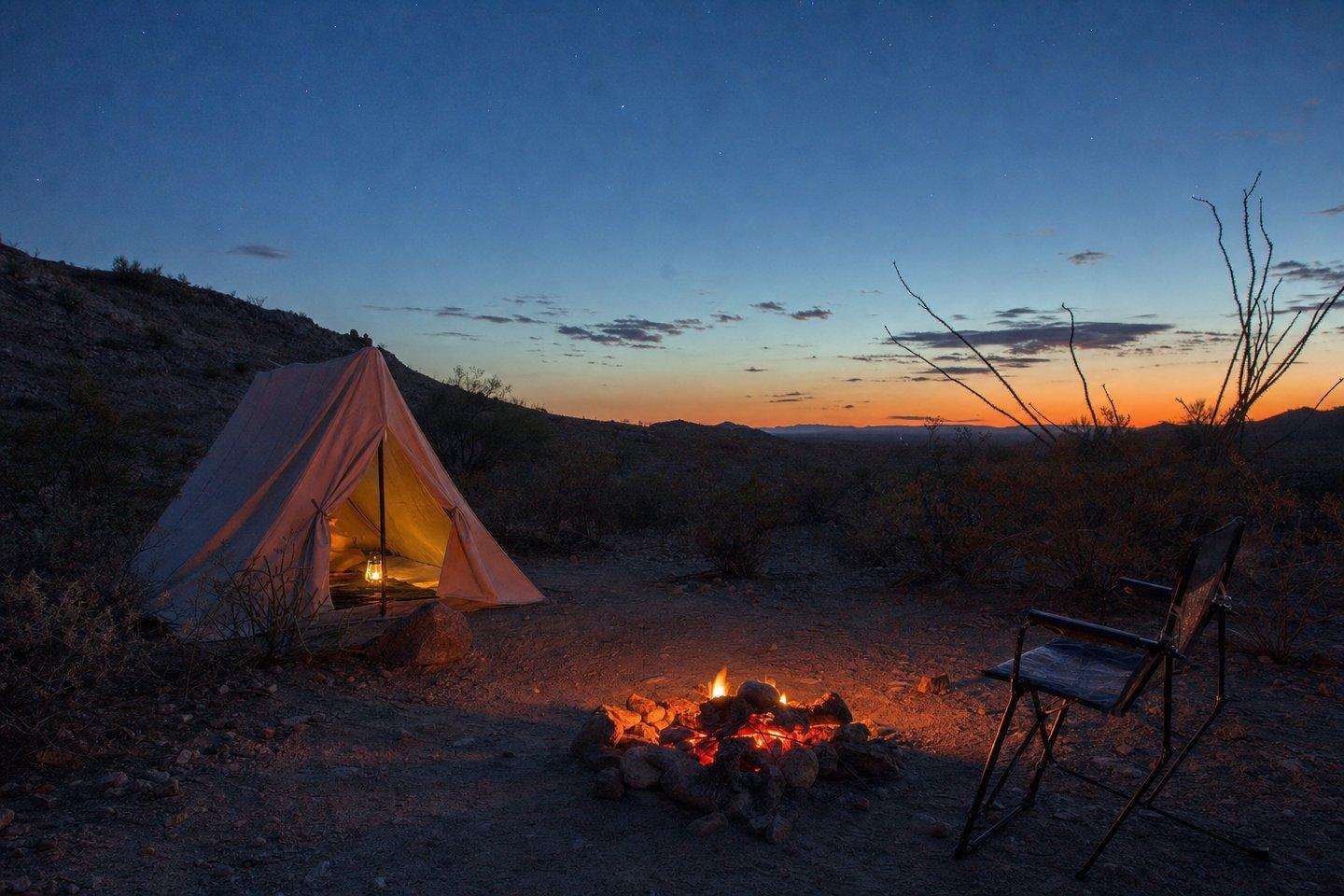
Dispersed (no-facility, no-fee) camping is also allowed through much of this stretch of national forest, with the standard rule of staying at least 25 feet back from the river’s edge.
Lake Isabella and the South Fork
On the south side of Lake Isabella, off Highway 178, the South Fork Recreation Campground offers a more developed base camp: flush toilets, drinking water, a visitor information station, and sites with stoves and picnic tables set above the lake’s high-water mark. It’s a practical option for visitors who want lake access (boating, jet skiing, paddleboarding) alongside easy access to whitewater rafting put-ins upriver.
Private options exist too: the Lake Isabella/Kern River KOA in nearby Weldon offers both tent sites and cabins, aimed at visitors who want lake and river access without going fully primitive.
Red Rock Canyon State Park (Desert Camping)
For desert-side Kern County camping, Red Rock Canyon State Park (Kern County’s first state park, established in 1968, roughly 80 miles from Bakersfield and 25 miles north of Mojave along Highway 14) offers a completely different kind of camping. The park’s Ricardo Campground has around 50 primitive, first-come-first-served sites set among the park’s red sandstone cliffs and buttes, a landscape that has doubled as a backdrop in numerous Western films. Dogs are welcome on leash. There are no reservations and no hookups: this is dry desert camping, not a developed RV park.
BLM dispersed camping
Beyond the state park boundary, Bureau of Land Management land (including the BrightStar Wilderness, which borders the park and extends toward the Jawbone Canyon area) offers additional dispersed camping for visitors comfortable with a fully unserviced desert stay. As with any BLM dispersed camping, bring your own water and pack out everything you bring in.
Timing a trip and campfire permits
Fall and spring bring the most comfortable conditions on either side of the county, though for different reasons. Along the Kern River, most developed campgrounds run their full season from around May through early September, when the water is highest and sites are fully staffed; a shoulder-season visit in late spring or early fall trades a few closed amenities for cooler days and noticeably thinner crowds. At Red Rock Canyon, the calculation flips: summer highs on the exposed sandstone regularly climb past 100 degrees, while spring (roughly March through May) and fall (October and November) bring daytime highs in the 60s to 80s, cool nights, and in a good year, desert wildflowers. Ricardo Campground charges a nightly fee of around $25, collected through a self-registration pay station at the entrance since there’s no on-site camp host, and its first-come, first-served sites fill on weekends during the cooler months, so arriving before dark on a Friday is worth planning for. Dogs are welcome on leash throughout the campground and on the park’s dirt roads, though not on the hiking trails themselves.
A campfire anywhere outside a developed campground’s fire ring, including dispersed sites along the Upper Kern and on BLM land near Red Rock Canyon, requires a free California Campfire Permit, available online or at any Forest Service, BLM, or CAL FIRE office. Sequoia National Forest can also impose fire restrictions forest-wide during dry stretches of the season, at times banning open flame entirely even inside developed campgrounds, so it’s worth checking current conditions before counting on a campfire either way.
Choosing between mountain and desert camping
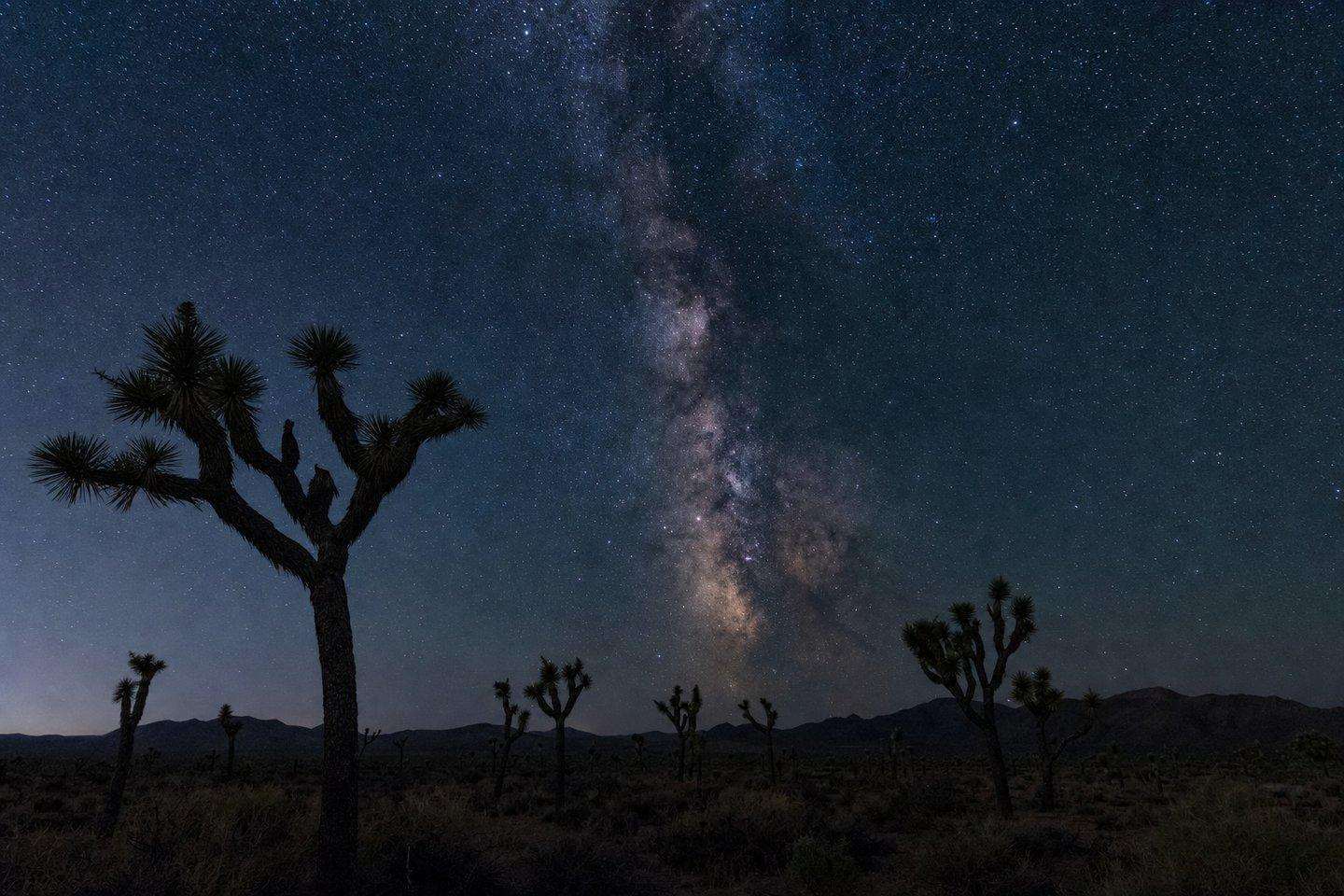
Choosing between the two styles of Kern County camping comes down to what the trip is for: if it centers on rafting, fishing, or escaping summer valley heat, the Kern River corridor and Sequoia National Forest sites are the obvious choice, with the added benefit of shade and reliable water access. If the plan is stargazing, photography, or exploring the Mojave’s rock formations, Red Rock Canyon’s primitive sites put you inside the landscape itself: just plan for genuinely hot summer days and cold desert nights, and check current road conditions before heading out either way.
Frequently Asked Questions
Where's the best camping near the Kern River?
The stretch between Lake Isabella and the Johnsondale Bridge, inside Sequoia National Forest, has the highest concentration of riverside campgrounds: Headquarters, Camp Three, Fairview, Goldledge, and Limestone all offer direct or near-direct river access.
Can you camp in the desert in Kern County?
Yes, Red Rock Canyon State Park's Ricardo Campground has around 50 primitive, first-come-first-served sites among the park's red sandstone cliffs. There's no reservation system and no hookups; it's genuine dry desert camping.
Is dispersed camping allowed in Kern County?
Yes, in two main areas: much of the Sequoia National Forest stretch along the Upper Kern River (standard rule: stay at least 25 feet from the river's edge), and BLM land beyond Red Rock Canyon's boundary, including the BrightStar Wilderness toward Jawbone Canyon.
Do I need a reservation to camp in Kern County?
Developed Forest Service campgrounds along the Kern River can be reserved through the National Recreation Reservation Service (1-877-444-6777), generally at least five days ahead. Red Rock Canyon's Ricardo Campground has no reservations: it's first-come, first-served.
What's the difference between mountain and desert camping here?
Mountain camping along the Kern River offers shade, reliable water access, and cooler temperatures: the better choice for rafting, fishing, or escaping summer valley heat. Desert camping at Red Rock Canyon puts you inside striking rock-formation scenery for stargazing and photography, but summer days are brutally hot and nights genuinely cold.