
The Valley
The Kern County Fair: A Century of Agricultural Tradition
More than 300,000 visitors pack the Kern County Fairgrounds every September for livestock shows, a rodeo, and concerts, dating back to an 1892 fair.
Updated September 2026
For a county whose identity is built substantially on agriculture, the Kern County Fair is the one event that puts that identity fully on display: livestock, produce, a rodeo, and a couple of hundred thousand visitors, every September, in a tradition that traces back well over a century.
From an 1892 agricultural fair to today’s event
The first Kern County agricultural fair was held in 1892, with horse racing serving as one of the main draws for a farming community with real reason to celebrate its harvest. That early fair wasn’t yet the formally organized institution known today, though. The Kern County Fair as a structured annual event dates to 1916, when the 15th District Agricultural Association was established specifically to organize it. The fair’s original home was on Chester Avenue, in what’s now Bakersfield’s Metropolitan Recreation Complex, before the event moved to its current, permanent site.
The fairgrounds today
The Kern County Fairgrounds, on South P Street in Bakersfield, has hosted the fair at its current site since the early 1950s. It’s a genuinely large facility, a 168-acre landscaped site with enough mature tree cover to provide real shade even on Bakersfield’s hottest September days, which matters given the fair runs during one of the valley’s warmest stretches of the year. The grandstand itself is built for the fair’s dual identity as both an agricultural showcase and an entertainment venue: it seats up to 3,700 for rodeo events and up to 3,000 for concerts, switching between the two through the fair’s roughly 12-day run.
What’s actually there
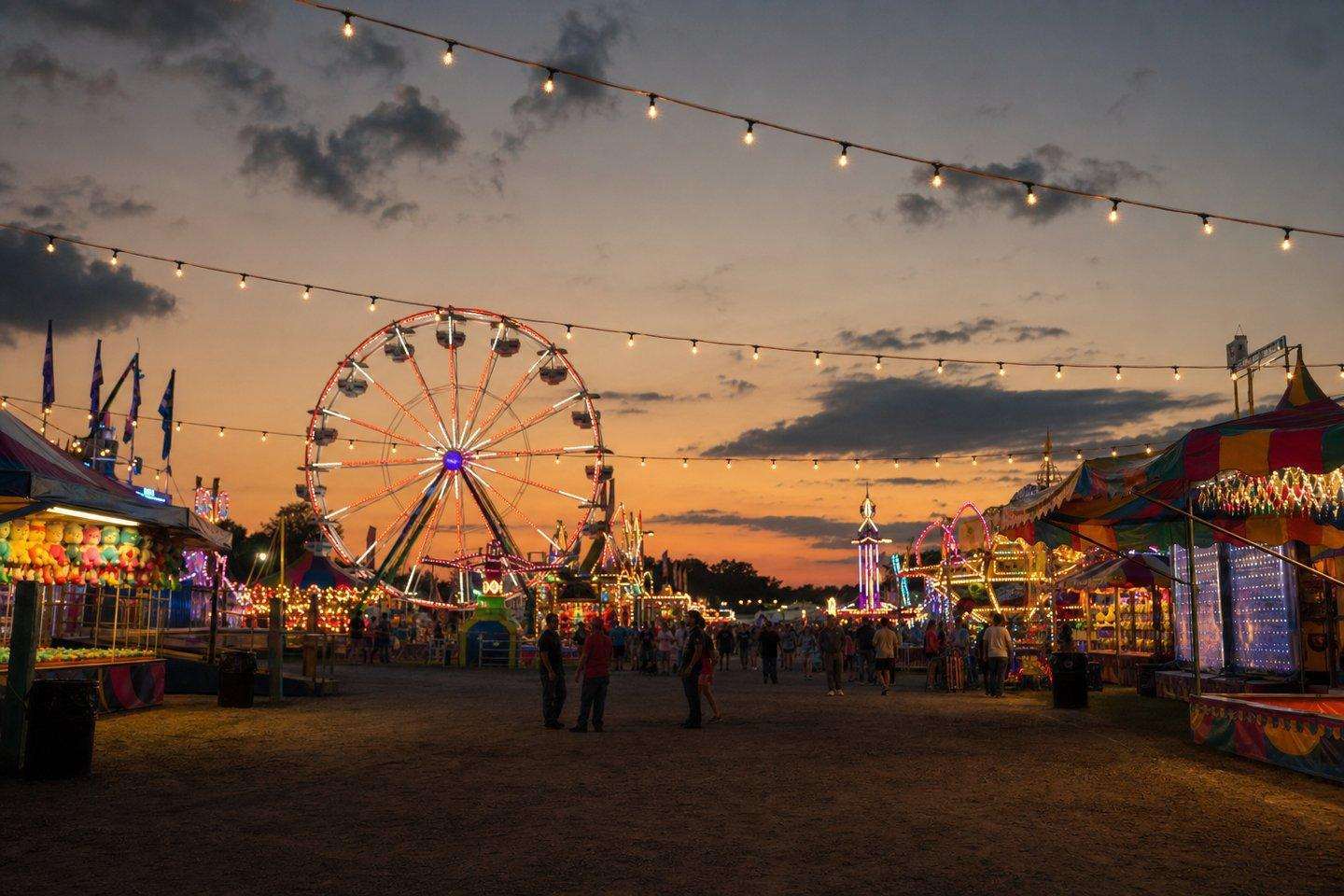
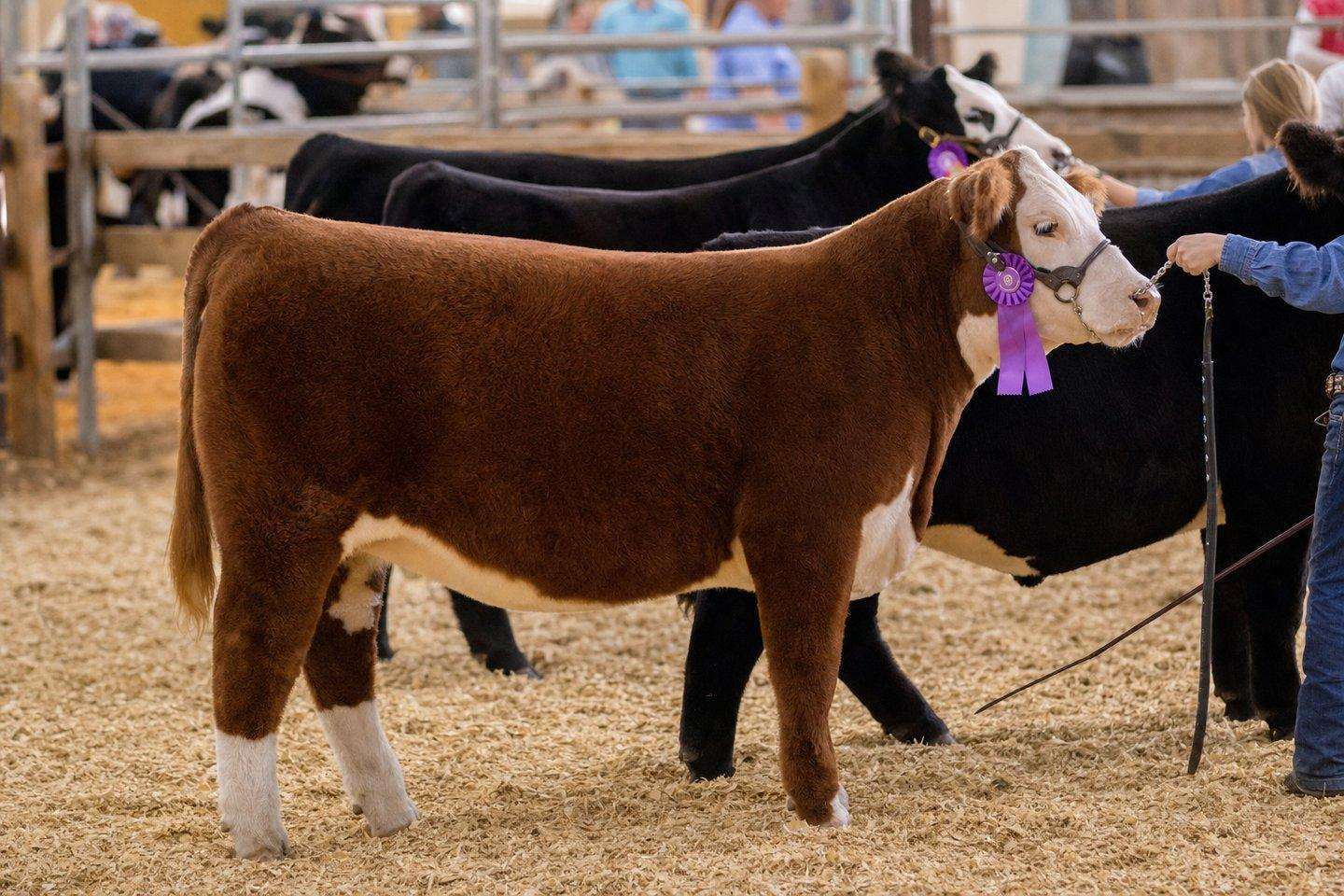
The Kern County Fair keeps a genuine agricultural core even as it’s grown into a major regional entertainment event: livestock exhibits and equestrian events, displays of locally grown produce reflecting the Central Valley’s real farming output, and a rodeo that draws serious competitors rather than a staged sideshow. Around that core sits the rest of a classic county fair: carnival rides, food vendors, and a concert lineup that in recent years has drawn national touring acts to close out the event.
Attendance reflects the fair’s status as the county’s single largest recurring event: recent years have drawn more than 300,000 visitors over the roughly 12-day run, with some projections approaching 400,000. That scale makes it genuinely comparable to fairs in much larger metro areas, not a modest small-county event.
The Junior Livestock Auction: the fair’s real center of gravity
For many local families, the heart of the Kern County Fair isn’t the carnival midway or the concert lineup, it’s the Junior Livestock Auction. Kern County 4-H and FFA students spend months, often the better part of a year, raising a market animal from scratch: feeding it, tracking its weight, and preparing it for judging. Only animals deemed genuinely market-ready are eligible to sell, across categories that typically include beef cattle, goats, lambs, hogs, rabbits, and poultry, with the Grand Champion of each species drawing the auction’s top attention. Local businesses, ranchers, and community members turn out as buyers, and the proceeds go directly to the young exhibitors rather than into fair operations, a structure that makes the auction as much a community institution as a fair attraction. Watching it, even as a visitor with no connection to any of the exhibitors, gives a clearer sense of the fair’s actual agricultural roots than the midway ever will.
Getting there and timing a visit
The fairgrounds sit just off Highway 99 on South P Street, close enough to central Bakersfield that most visitors drive in rather than plan an overnight stay, though the fair’s roughly 12-day run means weekday visits are noticeably calmer than the weekend crowds drawn by headline concerts and the livestock auction’s busiest days. September in Bakersfield still runs hot, so an evening visit, once the sun drops and the carnival lights come on, tends to be more comfortable than an afternoon spent walking exhibit halls and livestock barns in full sun. Because the fair uses the fairgrounds’ full 168 acres, comfortable shoes matter more than they might at a smaller local event: this is a genuine walk between the livestock barns, the grandstand, and the midway, not a stroll through a single building.
Planning a visit
Because exact dates shift year to year within the general mid-to-late-September window, confirming current dates directly with the Kern County Fairgrounds before planning a trip is worth the extra step, the same practical advice that applies to most of Kern County’s real annual events. Our calendar guide covers the fair alongside the county’s other major recurring events, including the timing patterns that repeat year to year even as specific dates shift.
Frequently Asked Questions
How old is the Kern County Fair?
The first Kern County agricultural fair was held in 1892, with horse racing as one of its main draws. The fair as formally organized today dates to 1916, when the 15th District Agricultural Association was established to run it.
When is the Kern County Fair held?
Annually in mid-to-late September, at the permanent fairgrounds on South P Street in Bakersfield, the county's largest recurring event, running about 12 days.
How many people attend the Kern County Fair?
Recent fairs have drawn more than 300,000 visitors over the roughly 12-day run, with organizers projecting attendance approaching 400,000 in some years.
What happens at the Kern County Fair?
Livestock shows and equestrian events, a rodeo (the grandstand seats up to 3,700 for rodeo events and up to 3,000 for concerts), displays of locally grown produce, carnival rides, and a full concert lineup: a classic county fair built around the region's real agricultural identity.
Where are the Kern County Fairgrounds?
On South P Street in Bakersfield, a 168-acre landscaped site that's hosted the fair since the early 1950s, and also hosts other events through the year, including the Lowrider Nationals.