
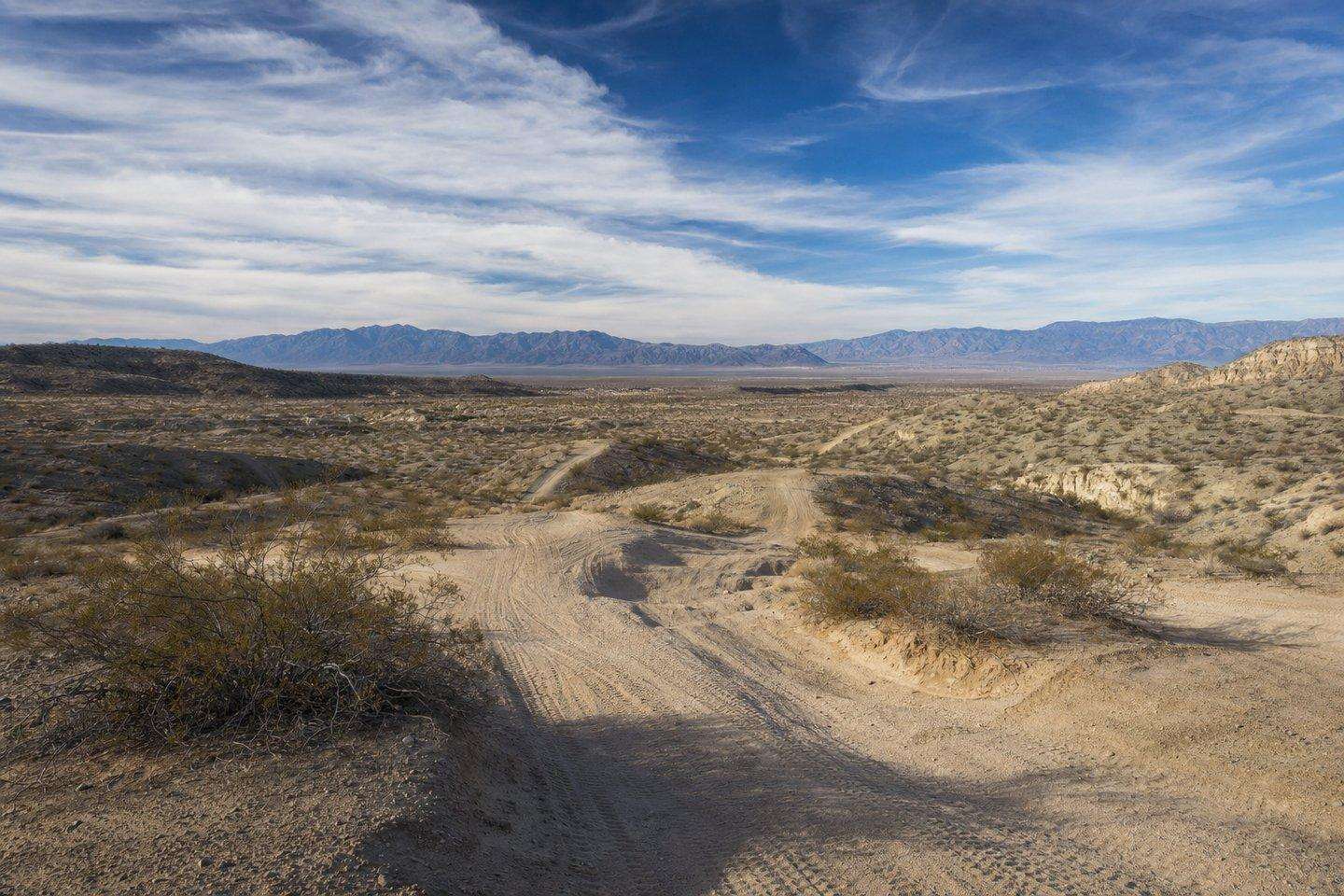
The Desert
California City Off Roading: The Jawbone Canyon OHV Area
The Jawbone-Butterbredt area northwest of California City is Kern County's real, BLM-managed off-highway vehicle destination in the Mojave Desert.
Updated September 2026
California City off roading has real history behind it: Kern County’s desert side has been a genuine off-highway vehicle destination since the early 1900s, and the core of that history sits northwest of the city, in the Mojave Desert terrain of Jawbone Canyon.
California City off roading: Jawbone Canyon and Butterbredt
Jawbone Canyon is a Bureau of Land Management area roughly 20 miles north of Mojave along State Route 14, near the small community of Cantil, and northwest of California City. It falls within the larger Jawbone-Butterbredt Area of Critical Environmental Concern, a BLM designation covering the surrounding stretch of desert and lower Sierra Nevada foothills.
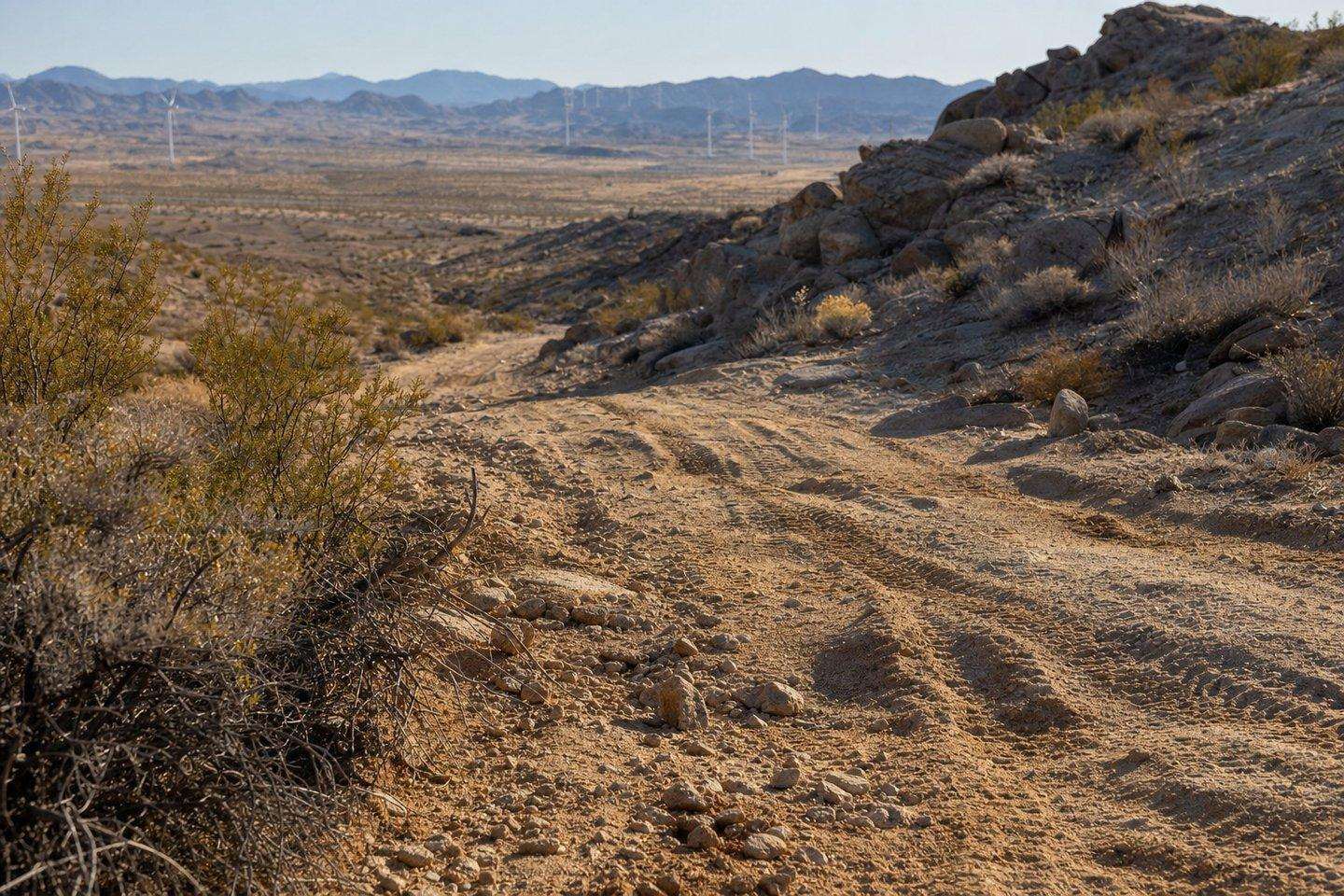
Riders and hikers have used the canyon for recreation since the early 20th century, and it has a real mining history too: settlers named it for its jawbone-like shape around 1860, and the St. John mine in the canyon produced nearly $700,000 in gold between 1860 and 1875. The Los Angeles Aqueduct’s largest sag pipe also crosses through the canyon, and the eastern end of the trail network offers views of the Tehachapi Pass wind farm.
Where riding is actually permitted
This is an important distinction for anyone planning California City off roading around this permit rule: a scientific study published in 1983 documented significant environmental damage from off-road vehicle use across the wider Jawbone-Butterbredt area, and BLM has since restricted riding across most of the Area of Critical Environmental Concern to established trails and roads only. Free-form, off-trail riding is not allowed countywide in this desert region.
The exception is the Jawbone OHV Open Area, a specifically designated zone within the larger ACEC where open riding is permitted rather than trail-only travel. That distinction (trail-restricted ACEC versus the designated open area) is the single most important thing to confirm before a visit, since riding outside the open area’s boundaries but still within the ACEC is a trail-restricted violation.
Practical notes for visitors
As with any BLM-managed OHV area in California, standard state off-highway vehicle registration rules apply: vehicles not licensed for street use generally need a California OHV (green or red) sticker to operate legally on public land. Current requirements and any area closures are best confirmed directly with the BLM field office responsible for the area before a trip, since access rules and seasonal restrictions can change.
Jawbone Canyon and the surrounding open desert also sit close to Red Rock Canyon State Park, which offers primitive desert camping nearby (see our camping guide): a practical pairing for a weekend trip that combines a day of riding with a night under genuinely dark desert sky. Given the remoteness of the area, checking current road conditions before heading out, carrying extra water, and telling someone your planned route are basic precautions worth taking seriously; this is open desert with long stretches between services.
Beyond Jawbone Canyon
Beyond Jawbone Canyon, California City off roading options thin out. The broader Mojave Desert stretch of Kern County, extending east toward the Kern–San Bernardino county line, includes other BLM-managed public land used informally for off-highway recreation, though Jawbone Canyon and its designated open area remain the county’s clearest, most established, and best-documented legal OHV destination. Riders exploring further afield should treat any area without a confirmed open-riding designation as trail-restricted by default, and verify status with BLM directly rather than assuming based on past visits or word of mouth.
Frequently Asked Questions
Where can I go off-roading in Kern County?
Jawbone Canyon, a BLM area roughly 20 miles north of Mojave along Highway 14, is the county's clearest, most established legal OHV destination, within the larger Jawbone-Butterbredt Area of Critical Environmental Concern.
Can I ride anywhere in the Jawbone-Butterbredt area?
No: since a 1983 environmental study documented damage from off-road use, BLM restricted riding across most of the area to established trails only. The Jawbone OHV Open Area is the specific designated zone where open riding is permitted.
Do I need a permit or sticker to ride at Jawbone Canyon?
Vehicles not licensed for street use generally need a California OHV (green or red) sticker to operate legally on public land, standard for any BLM-managed OHV area in the state.
Is there camping near Jawbone Canyon?
Yes, it sits close to Red Rock Canyon State Park, which offers primitive desert camping, making a natural pairing for a weekend riding trip.
What's the history of Jawbone Canyon?
Riders and hikers have used it since the early 20th century, and it has a real mining history: the St. John mine produced nearly $700,000 in gold between 1860 and 1875, and the canyon was named for its jawbone-like shape around 1860.