
The Mountains
Tehachapi's Wind Farms: California's Pioneering Wind Energy Region
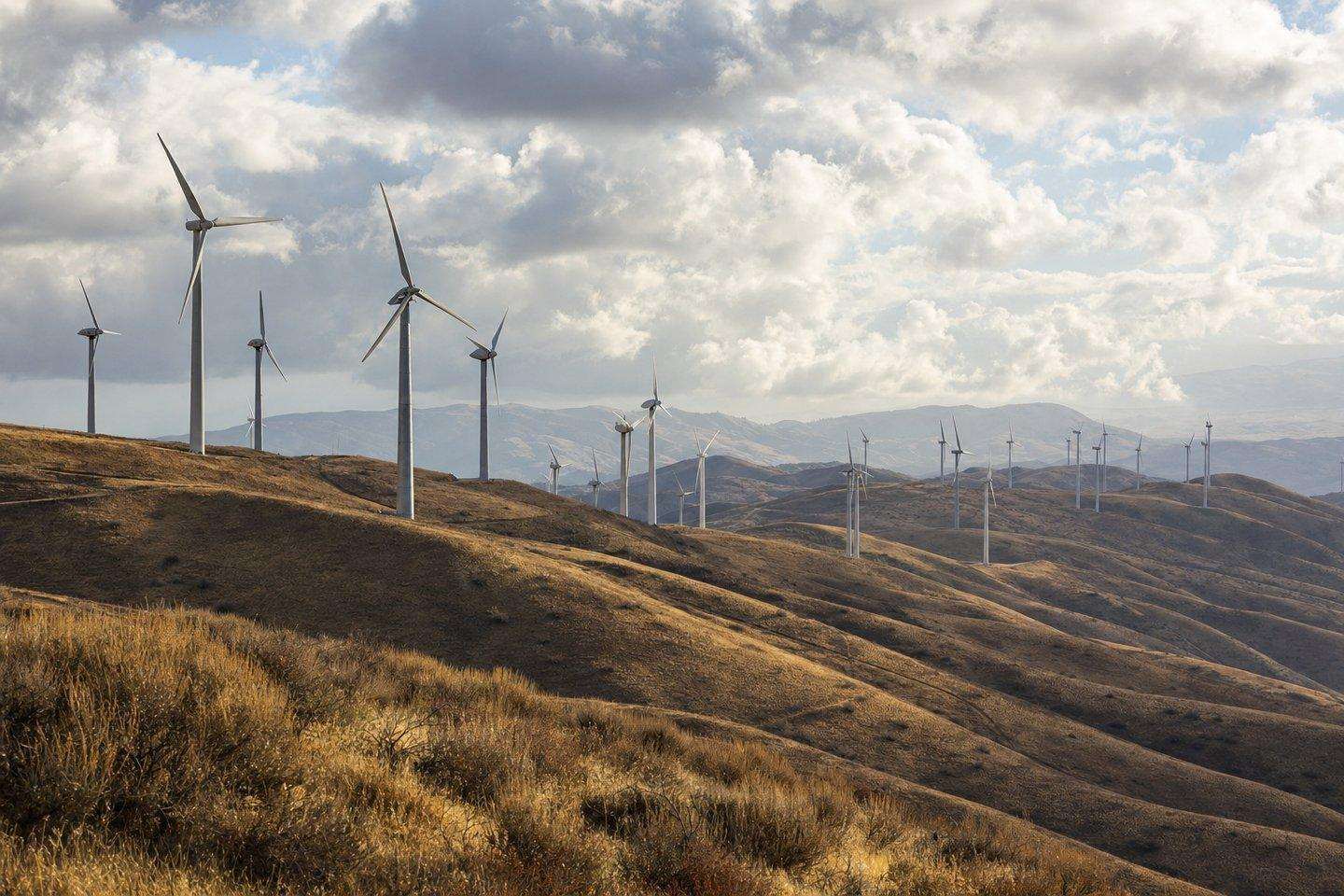
Tehachapi Pass became one of the first large-scale wind energy sites in the U.S. in the early 1980s, growing into a visually striking energy landscape.
Updated September 2026
Long before wind turbines became a familiar sight across the American landscape, a small group of developers bet on a windy mountain gap east of Bakersfield, and helped prove that wind power could work at real scale.
A natural wind corridor
Tehachapi Pass, where the Tehachapi Mountains separate the San Joaquin Valley from the Mojave Desert, is one of the windiest places on the West Coast for a straightforward geographic reason: the pass creates a venturi effect on air moving between the cooler coastal air mass and the hot desert beyond it. As that air gets funneled through the narrow mountain gap, it accelerates: the same physics that makes a narrow canyon or a city street between tall buildings feel windier than open ground. That natural wind resource is exactly what drew wind-energy developers to Tehachapi in the first place, decades before wind power was a mainstream part of the American energy mix.
An early, risky bet that paid off
Wind development at Tehachapi Pass began in the early 1980s, led by James Dehlsen and his company, Zond Corporation, making it one of the first large-scale wind farm sites developed anywhere in the United States, at a time when wind power was still an unproven, financially risky technology rather than an established industry. California helped make that early bet viable: legislation passed in the early 1980s created tax incentives specifically for renewable energy production, giving developers like Dehlsen a real financial cushion to work with while the technology itself was still maturing.
That maturing process wasn’t smooth. The first turbines installed at Tehachapi were American-made Storm Master models, and they proved troublesome: mechanically unreliable enough that they eventually had to be replaced rather than simply maintained. Dehlsen turned instead to Danish-built turbines, which had a more established manufacturing track record, and those Danish machines now make up the majority of the turbines still standing from that pioneering era. It’s a detail worth knowing for anyone driving through the pass today and noticing that the turbines aren’t all the same generation or design. The visible mix of turbine types across the ridgelines is a real record of the technology’s own evolution, not random variation.
Where to see the turbines up close
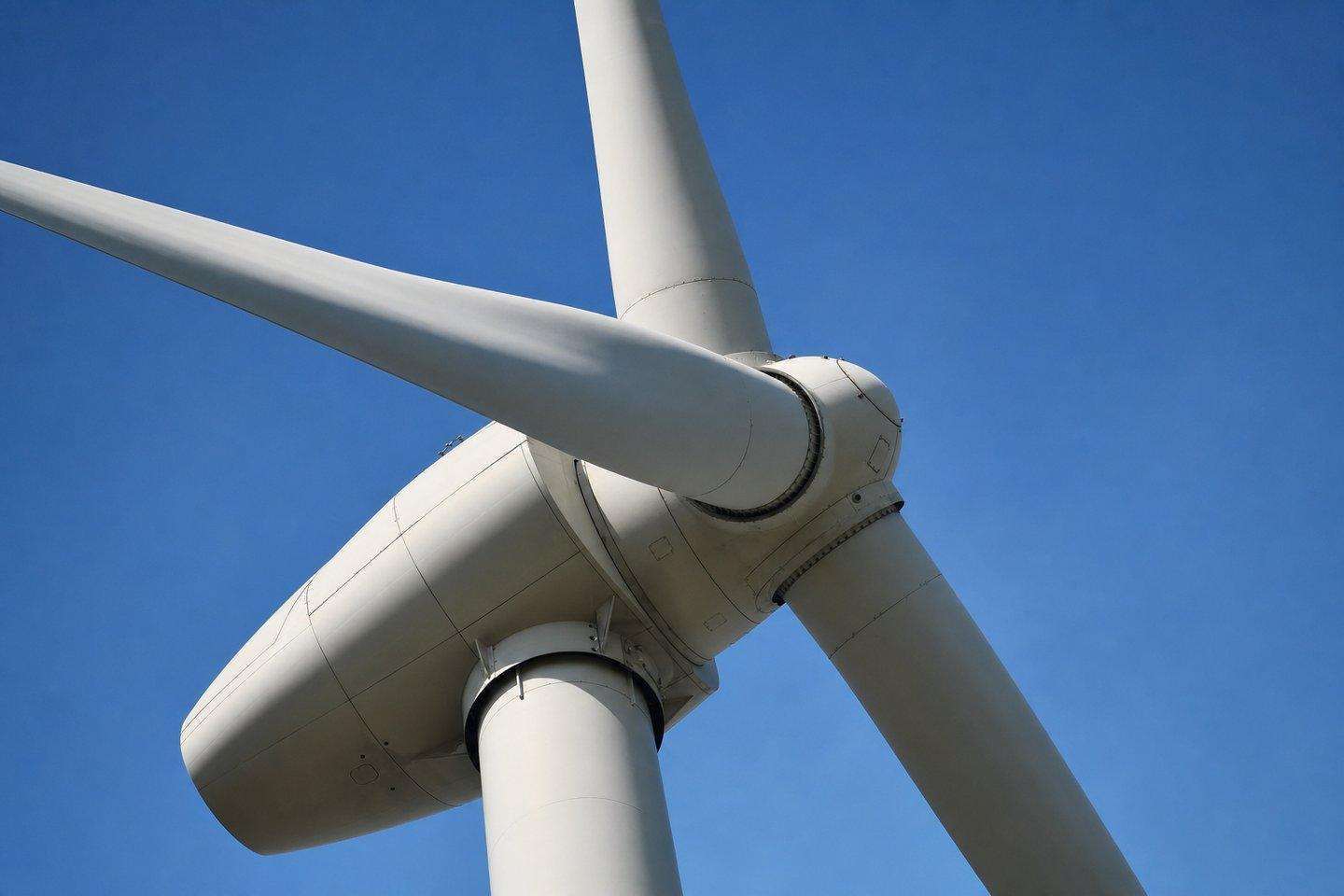
Highway 58 itself gives a good sense of the wind farm’s scale, but a short detour off the highway gets visitors much closer to the turbines than the freeway shoulder allows. Tehachapi-Willow Springs Road climbs up through Oak Creek Pass, passing among rows of the older turbines that make up much of the original wind resource area, with pullouts near the summit where it’s possible to park and get a real sense of the size of the machines up close. A little further along, where the road descends toward Oak Creek Canyon, Cameron Road crosses the Pacific Crest Trail, one of only a handful of places in the country where a public hiking trail runs directly through an operating wind farm, giving hikers a genuinely unusual walk among the turbines, seasonal wildflowers, and grazing cattle that share the same land. The City of Tehachapi publishes a self-guided driving tour through its visitor materials that strings these stops together into a route of roughly an hour, a good option for anyone who wants to see the wind farm’s history up close rather than just glimpsing it from the highway.
A few practical notes make the detour more worthwhile. Much of the land under the turbines is private, working ranchland, so the marked pullouts along Tehachapi-Willow Springs Road and the Cameron Road trailhead are the right places to stop, rather than driving onto unmarked access roads. The pass earns its wind reputation honestly, and gusts can be strong enough to affect a high-profile vehicle or a bicycle, often more so in spring, so a firm grip on the wheel and a general awareness of crosswinds are worth keeping in mind on the drive itself, not just at the pullouts.
A pioneering site, still producing
The original Tehachapi Pass wind farm remains a substantial installation today, producing roughly 710 megawatts from about 3,400 turbines, genuinely large by any era’s standards, and remarkable given how early the initial development happened relative to wind power’s mainstream adoption decades later. The pass’s importance to the wind industry didn’t stop growing after those early years, either: the much larger Alta Wind Energy Center was later built nearby, and our Tehachapi Loop guide covers that newer complex and the county’s railroad history that shares the same mountain pass.
For visitors, the practical result of four decades of wind development is a genuinely striking landscape: ridgelines lined with turbines spanning multiple generations of technology, visible for miles along Highway 58 as it climbs through the pass, a working energy landscape that also happens to be one of the more visually distinctive drives in Kern County.
Frequently Asked Questions
When did wind energy development start at Tehachapi Pass?
In the early 1980s, led by James Dehlsen and his company, Zond Corporation, making Tehachapi Pass one of the first large-scale wind farm sites developed in the United States.
Why is Tehachapi Pass so good for wind energy?
The mountain pass creates a venturi effect on air moving between the coast and the desert: the terrain funnels and accelerates wind through the gap, making it one of the windiest places on the West Coast and a natural fit for wind power.
Did the early Tehachapi wind turbines work well?
Not at first. The first turbines installed were American-made Storm Master models, which proved troublesome and had to be replaced. Developer James Dehlsen later turned to Danish-built turbines, which now make up the majority of the machines still standing from that original era.
How big is the original Tehachapi Pass wind farm?
The original wind farm produces roughly 710 megawatts from about 3,400 turbines, a genuinely large installation, and one of the first of its scale built anywhere in the country.
What role did California policy play in Tehachapi's wind farms?
Early-1980s California legislation created tax incentives specifically for renewable energy production, which helped make the initial, financially risky investment in wind technology at Tehachapi Pass viable at the time.