
The Valley
Tule Elk State Natural Reserve: Where a Subspecies Came Back From Two Pairs
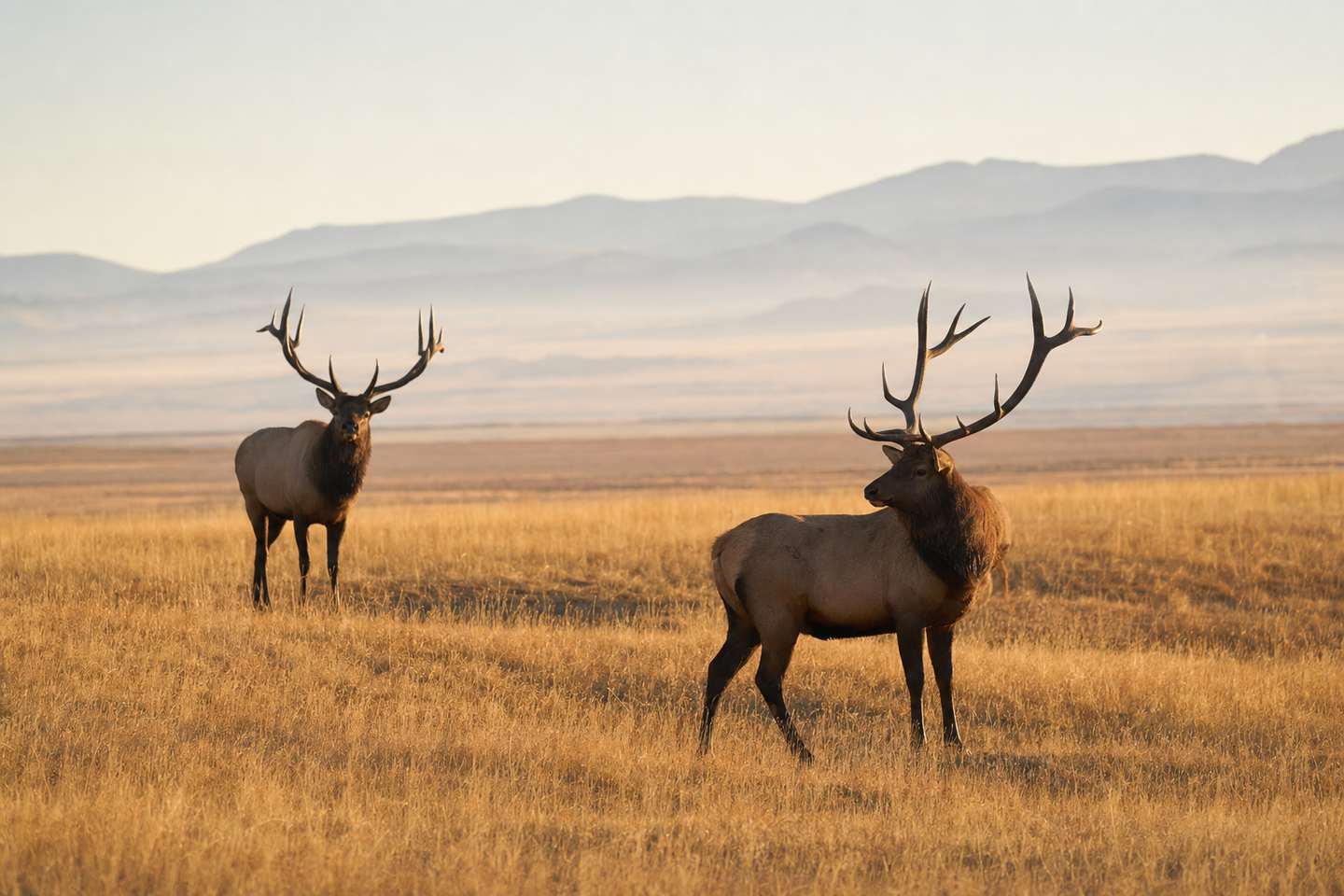
By 1870 hunting and habitat loss had cut California's tule elk to around two breeding pairs, near Buena Vista Lake. The reserve at Tupman exists because of what was found there.
Updated November 2026
Most wildlife-recovery stories are told somewhere scenic. This one happened on the flat, hot floor of the San Joaquin Valley, twenty minutes west of Bakersfield, and it started with a drainage crew.
Half a million, then four
Before 1849, tule elk ranged from Shasta County in the north to the base of the Tehachapi Mountains in the south, and from west of the Sierra Nevada to the central Pacific coast. The population is estimated to have exceeded half a million animals.
The collapse took about two decades. European settlement brought imported grasses and grazing livestock that displaced native vegetation, and hunters killed elk in volume for hide and tallow.
By 1870 the population had been reduced to approximately two breeding pairs, near Buena Vista Lake in Kern County.
When the State Legislature banned elk hunting in 1873, the subspecies was believed to be extinct.
Found by accident
Around 1874 or 1875, a crew of laborers draining wetland on a ranch owned by the cattle baron Henry Miller came across several tule elk in the tule marshes near Buena Vista Lake. A pair was observed; A. C. Tibbets of the Fish and Game Commission believed they were the last of their kind.
Miller protected the small band on his land. Over the following thirty years it grew to around 140 animals.
That is the entire origin of every tule elk alive today. The subspecies passed through a bottleneck of a handful of individuals, in this county, on private ranchland, because a wealthy rancher decided not to let them be shot.
How the reserve came to exist
Proposals for a fenced preserve near Buena Vista Lake were being made as early as 1912.
In 1930 the Miller and Lux ranch provided 600 acres as a temporary holding area. In 1931 the legislature passed a bill establishing an elk sanctuary, and in March 1932 the State Park Commission purchased 953 acres near Tupman. The reserve today covers roughly 960 acres.
Statewide, there are now about 22 tule elk populations totaling in the region of 4,000 animals. All descended from the Kern County remnant.
What a visit is actually like
Set your expectations correctly and this is a rewarding stop; set them wrong and it is a field with a fence.
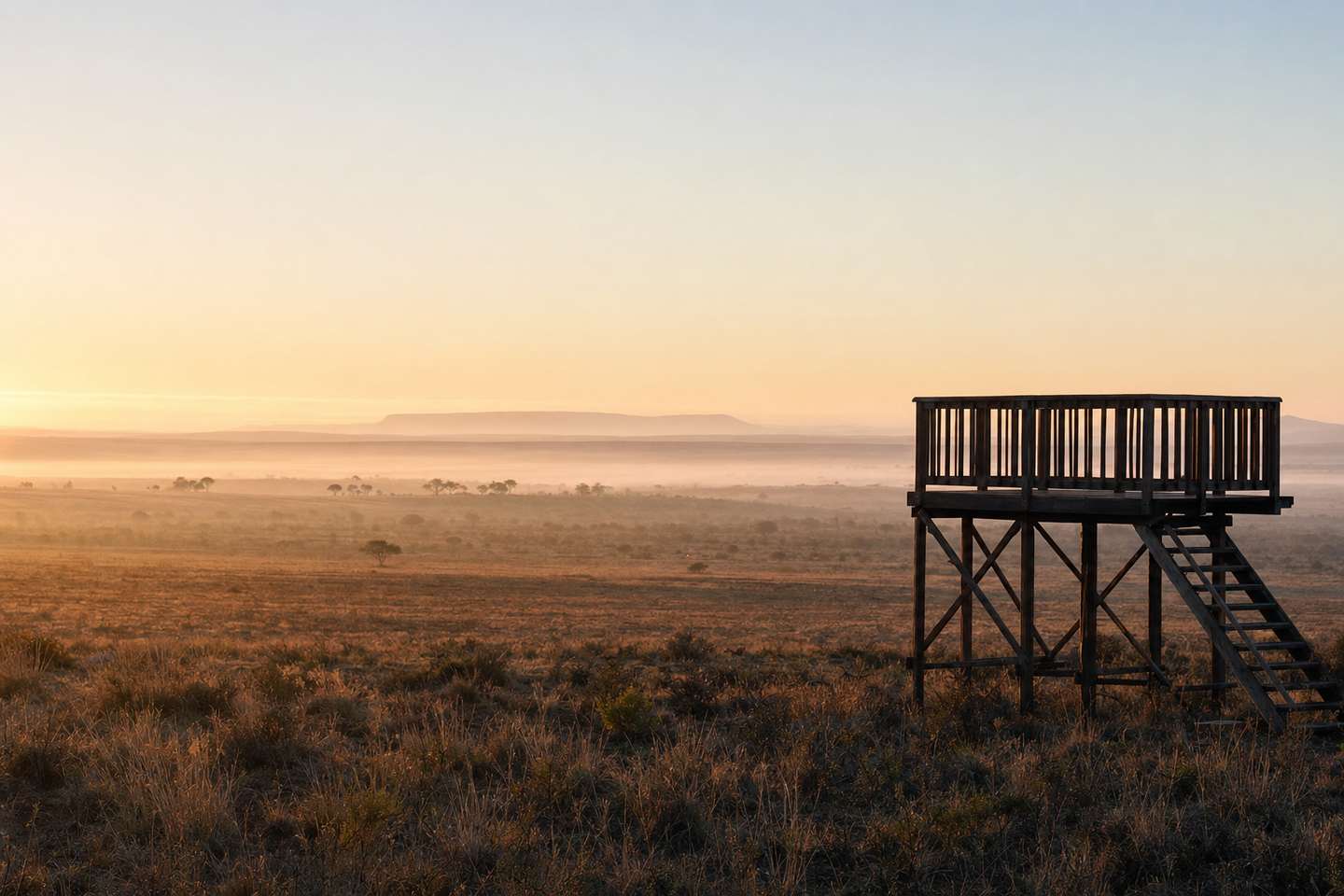
The reserve holds a conservation herd of roughly 30 to 35 elk across its acreage. There is an observation platform, which is the right place to start and often the right place to stay. Bring binoculars. The animals are wild within a large enclosure and will not necessarily be close to you.
The bird list is the underrated part. Northern harriers, prairie falcons and ferruginous hawks are present year-round; great horned and barn owls come out after dark. Coyotes and bobcats hunt the ground.
There are covered and uncovered picnic areas and ample parking. There is no camping and no facility for it.
Timing matters more here than at most places
This is the valley floor. In July an afternoon here is genuinely punishing and the elk will be doing the sensible thing in whatever shade exists.
Come early, and come in the cooler half of the year. Autumn and winter mornings give you animals that are actually moving and air you can stand in.
Where it sits in the county
The reserve is a short drive from the Buena Vista Aquatic Recreation Area, which occupies part of the same historic lakebed the elk were found beside. Taken together, the two make a coherent half-day: the water that is there now, and the marsh that used to be.
It also pairs with the Wind Wolves Preserve to the south, where tule elk range on a far larger and unfenced scale. Seeing both in one trip is the clearest way to understand what was lost and what has been rebuilt (one herd behind a fence because it had to be, one moving freely across a landscape because it now can).
Frequently Asked Questions
Where is the reserve and how do I get there?
8653 Station Road, near Tupman, west of Bakersfield. It is about five minutes off Interstate 5, which makes it one of the easiest wildlife stops in the state to reach — far easier than most places where you can reliably see large mammals.
Will I actually see elk?
Usually, yes. The conservation herd runs at roughly 30 to 35 animals on the reserve, and there is an observation platform built for exactly this. Bring binoculars: the enclosure is large and the elk are not obliged to stand near the fence.
How many tule elk were left at the low point?
By 1870, habitat loss and overhunting had reduced the population to roughly two breeding pairs near Buena Vista Lake in Kern County. When the State Legislature banned elk hunting in 1873, the subspecies was believed to be extinct.
What else is there to see besides elk?
Birds, mostly, and good ones. Northern harriers, prairie falcons and ferruginous hawks are present through the year, and great horned and barn owls after dark. Coyotes and bobcats also work the reserve.
Can you camp there?
No. Camping is not permitted within the reserve and there are no facilities for it. There are covered and uncovered picnic areas and ample parking, so it is built for a few hours rather than a night.
When is the best time to visit?
Cooler months and the ends of the day. This is the open floor of the San Joaquin Valley, which means brutal summer afternoons and very little shade. Early morning in autumn or winter gives you active animals and a survivable temperature.