
The Mountains
César E. Chávez National Monument: The Farm Labor Movement's Home in Kern County
The United Farm Workers ran its movement from a former tuberculosis sanatorium in the Tehachapi foothills. Chávez lived, worked and is buried there, and the site is now a national monument.
Updated September 2026
Most of Kern County’s landmarks are geological or agricultural. This one is neither. In the oak-and-grass foothills above Keene, on a property the United Farm Workers has occupied since the early 1970s, is the place where César Chávez lived, organized, and is buried. And it is now a unit of the National Park System.
It is an unusual thing to find 32 miles east of Bakersfield, and it is worth the detour precisely because it does not look like a monument. It looks like what it is: a working headquarters that happens to hold a grave and a museum.
What the place actually is
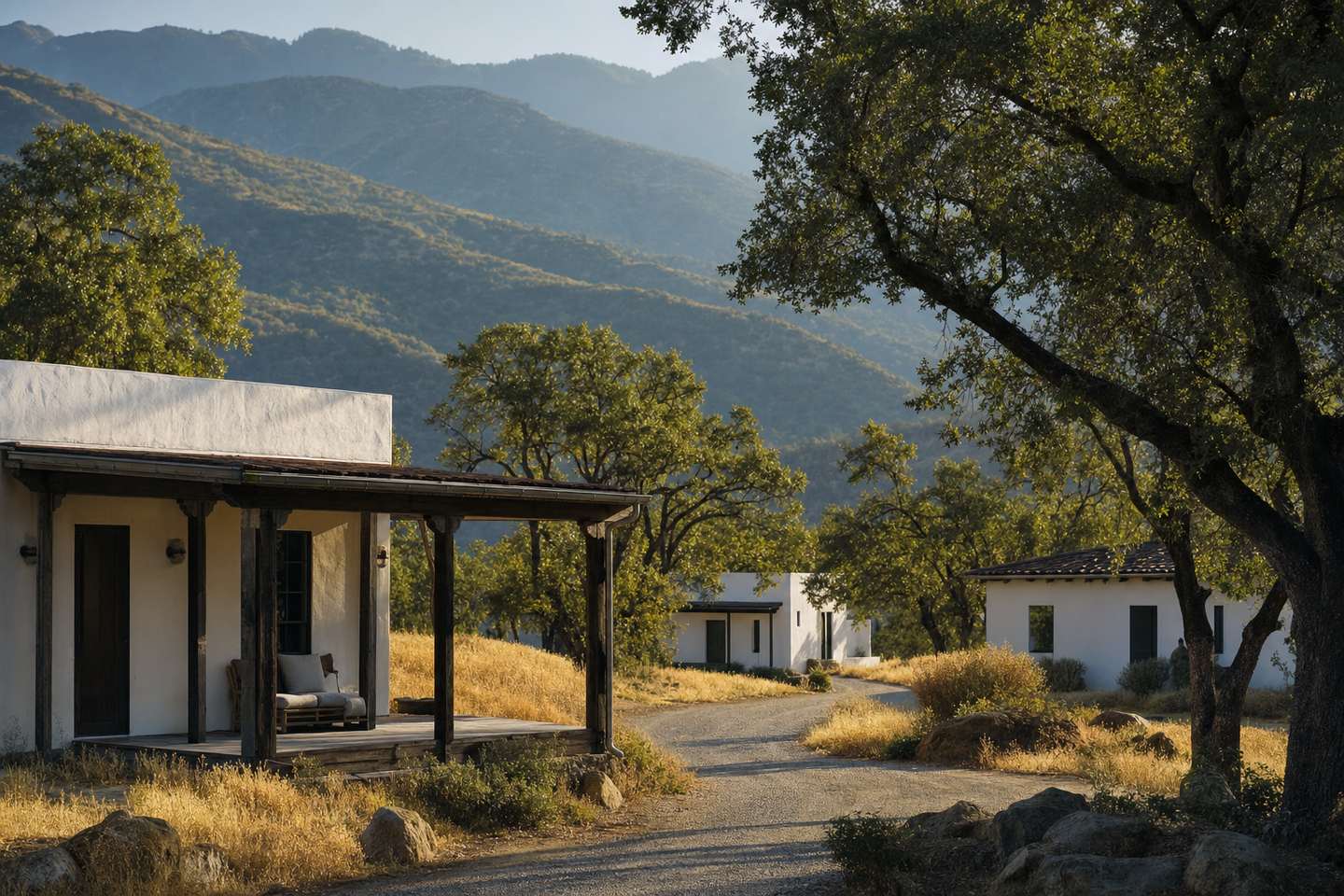
The property is called Nuestra Señora Reina de la Paz, Our Lady Queen of Peace (and almost everyone shortens it to La Paz). It began as a tuberculosis sanatorium, which explains the layout: scattered low buildings in the hills, built for isolation and clean air, not for visitors.
The United Farm Workers moved its headquarters here in the early 1970s, at the point when the union had won its first major contracts and needed somewhere to run a national movement from. Chávez lived on the site for the last two decades of his life. He is buried here, alongside his wife Helen.
That combination of headquarters, home, gravesite and now national monument is why a visit here reads differently from a visit to a preserved fort or a restored theater. Parts of it are a museum. Parts of it are still someone’s workplace.
The visitor center
The visitor center is the part of the site built for the public, and it is open daily from 10am to 4pm.
Inside are documentaries, exhibits, artwork and a bookstore. The single most affecting thing in it is the smallest: César Chávez’s office, preserved as it was during his life. Not reconstructed, not dressed. Kept. If you have only twenty minutes at the site, spend them there.
The center closes on Easter Sunday, Thanksgiving Day and the Friday after, Christmas Eve and Christmas Day, and New Year’s Eve and New Year’s Day.
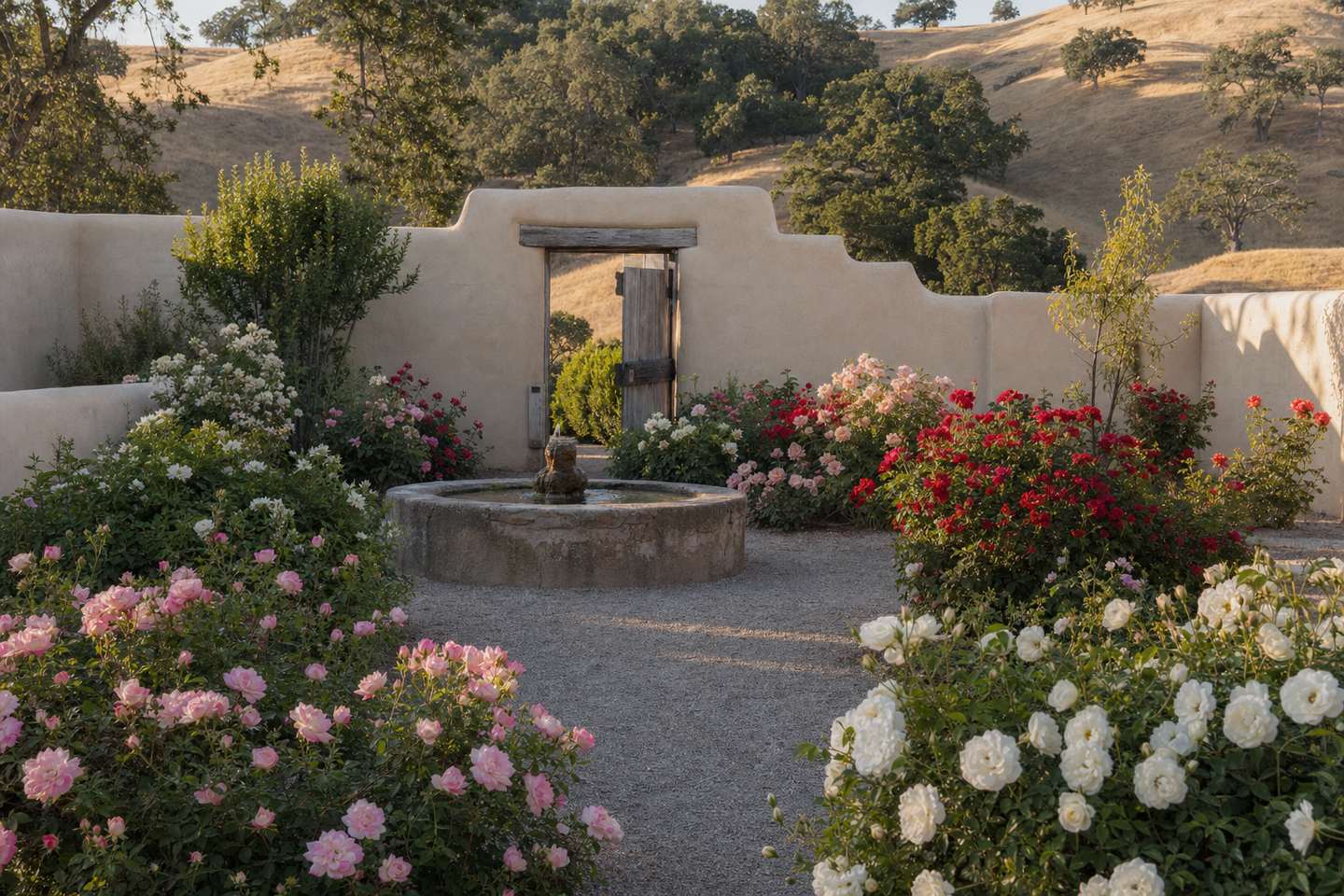
The Memorial Garden
Outside the visitor center is the Memorial Garden, and it is the reason most people make the drive.
It holds the gravesite of César and Helen Chávez. A nearby fountain honors the five martyrs of the farm labor movement. Roses bloom in the garden year-round, which in a landscape this dry reads as a deliberate act. A decoration would not survive out here.
It is a small space and a quiet one. There is no interpretive soundtrack and nothing asks you to move along.
Practical notes before you drive up
Access is narrower than you might assume. The National Park Service currently lists the visitor center as open to the public while other areas of the property remain closed. The wider site is a working UFW headquarters, not an open park. Call 661-823-6134, answered 10am to 4pm (and ask what is open on the day you want to come, instead of arriving with a plan for the whole property).
Only service dogs. Designated service dogs are permitted in the visitor center and Memorial Garden; other pets are not. The foothills here run hot from late spring through September, so this is a decision to make before you leave home.
Accessibility. The monument provides accommodations for visitors with mobility and sensory disabilities, and accessible parking sits near the entrance.
Time it with the drive. Keene is on the Highway 58 corridor between Bakersfield and Tehachapi. If you are already heading up to the Tehachapi Loop or the wind farms, the monument is a natural first or last stop; it does not need to be a trip of its own. Allow an hour if you want to watch a documentary and sit in the garden; half that if you are passing through.
Why it is here and not somewhere else
It is reasonable to wonder why the movement’s headquarters ended up in the Tehachapi foothills and not in one of the valley farm towns where the work actually was.
The answer is the geography of the job. Kern County sits at the southern end of the San Joaquin Valley, which is to say at the southern end of some of the most intensive agriculture in the United States; the same fields that give the county its table grapes, almonds and citrus. A headquarters here was close enough to the work to be useful and far enough above it to be defensible.
That is also why the site belongs in a guide to Kern County and not only in a guide to California labor history. The monument is not an outpost of something that happened elsewhere. It is where a national movement was run from, and the valley it was run about starts at the bottom of the hill.
Frequently Asked Questions
Where exactly is the César E. Chávez National Monument?
At 29700 Woodford-Tehachapi Road in Keene, in the Tehachapi foothills roughly 32 miles east of Bakersfield. It sits off Highway 58 between Bakersfield and Tehachapi, which makes it a natural stop if you are already driving that corridor.
What are the visitor center hours?
The visitor center is open daily from 10am to 4pm. It closes on Easter Sunday, Thanksgiving Day and the Friday after, Christmas Eve and Christmas Day, and New Year's Eve and New Year's Day. Phones are answered during the same 10am–4pm window on 661-823-6134.
What is there to see?
Two things, mainly. The visitor center holds documentaries, exhibits, artwork, a bookstore and César Chávez's office, preserved as it was during his life. Outside, the Memorial Garden contains the gravesite of César and Helen Chávez, year-round roses, and a fountain honoring the five martyrs of the farm labor movement.
Can I walk the whole property?
No. The National Park Service lists the visitor center as open to the public while other areas of the property remain closed, and the wider site is still the working headquarters of the United Farm Workers. Check current access on 661-823-6134 before you plan around anything beyond the visitor center and Memorial Garden.
Can I bring my dog?
Only designated service dogs are permitted in the visitor center and the Memorial Garden. Plan for that before you drive up, because the Tehachapi foothills get hot enough in summer that leaving a dog in a car is not an option.
Why is it called La Paz?
The property's full name is Nuestra Señora Reina de la Paz — Our Lady Queen of Peace — usually shortened to La Paz. The United Farm Workers moved its headquarters here in the early 1970s, and the name has been attached to the movement ever since.