
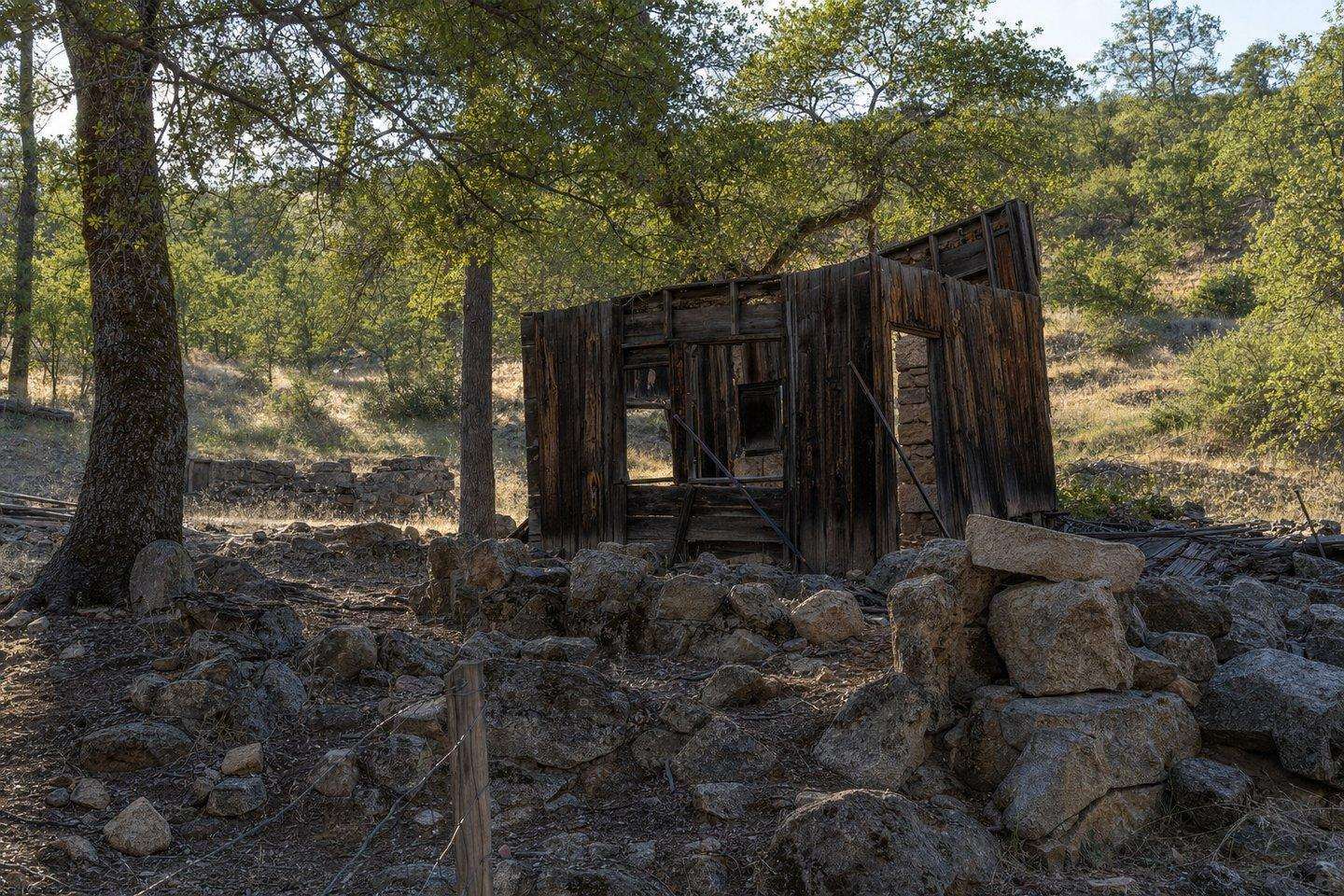
The Mountains
Havilah: Kern County's Original County Seat
A gold strike in 1864 built Kern County's first county seat almost overnight. It lost that status in 1872, and the 2024 Borel Fire destroyed most of it.
Updated September 2026
Before Bakersfield was Kern County’s seat of government, a gold-mining boomtown in the mountains northeast of it held that role. And unlike most of the county’s ghost towns, Havilah’s decline didn’t stay gradual. A 2024 wildfire finished what more than a century of decline had already mostly done.
A gold strike that built a county seat almost overnight
Havilah’s story starts in July 1864, when Asbury Harpending Jr. (later remembered as one of the figures central to Kern County’s earliest development) founded the settlement after gold was discovered on Clear Creek, a tributary of the Kern River. The town took its name from the biblical land of Havilah, described in Genesis 2:11 as a place “where there is gold,” a fitting name for a settlement that existed entirely because of a mineral strike.
Growth was fast even by gold-rush standards. By the end of 1865, Havilah had become a real boomtown: 147 business buildings, thirteen saloons, and a population approaching a thousand, most of them miners working the Clear Creek Mining District. When Kern County was formally organized on April 2, 1866, Havilah’s size and momentum made it the obvious choice for county seat, a status that came with the county’s first newspaper, the Havilah Courier, launching that same year.
Losing the county seat, then losing the town
Havilah’s run as county seat lasted only six years. As mining activity slowed and Bakersfield’s position on the valley floor proved more practical for a growing county’s center of commerce and government, the county seat moved to Bakersfield in 1872, a transition Havilah never really recovered from. The town’s decline that followed was the familiar arc for a mining boomtown once its founding industry faded: population dwindled, businesses closed, and what had briefly been the administrative heart of an entire county became a small, quiet mountain community. A fire in the 1920s caused significant earlier damage to what remained, a first serious blow to a town that was already a shadow of its 1865 peak.
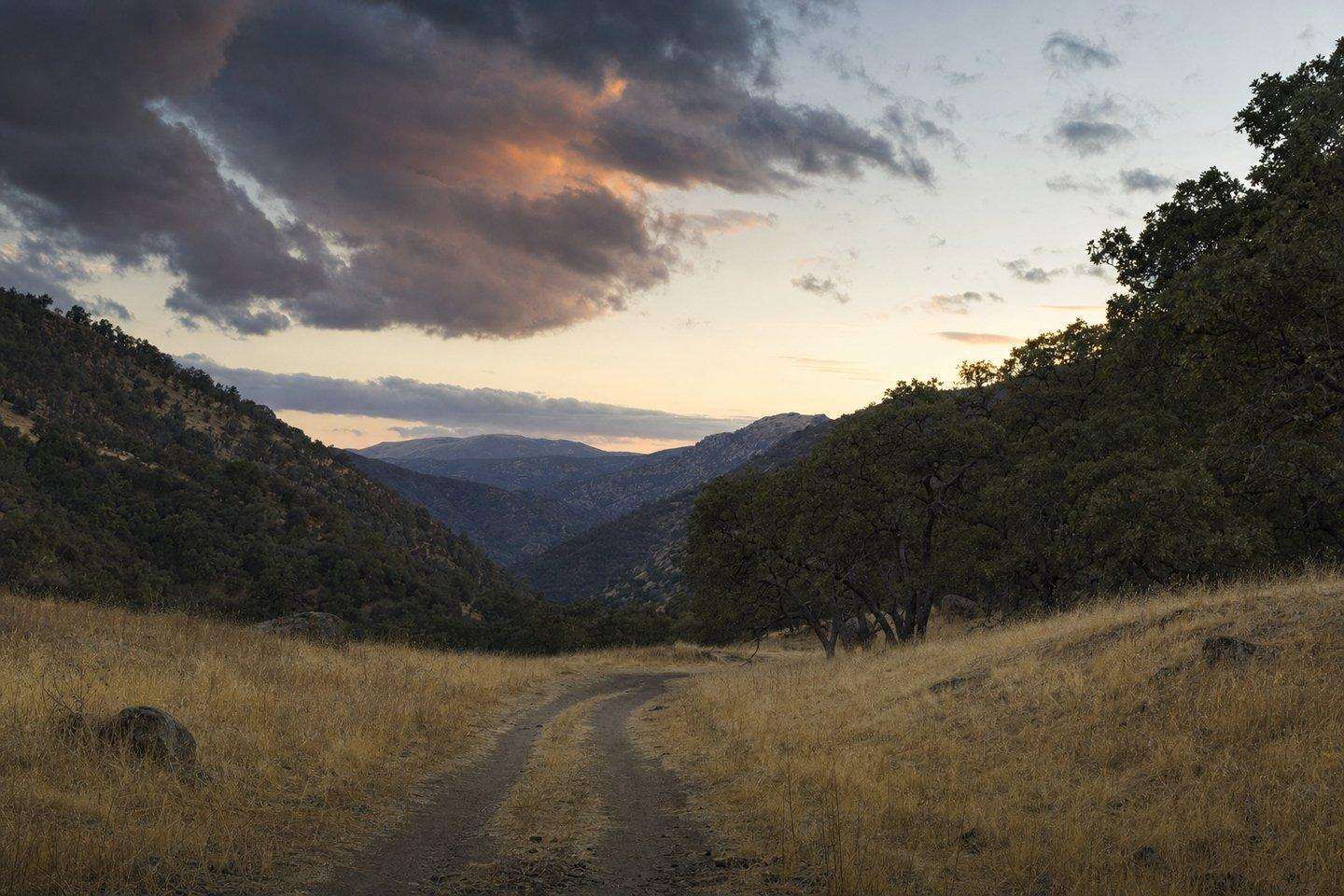
The Borel Fire
Whatever survived those earlier decades met a far more decisive blow in 2024. The Borel Fire, which started on July 24, 2024, became Kern County’s largest wildfire on record, ultimately burning more than 60,000 acres. It swept through Havilah on the night of July 26, razing nearly the entire remaining town and sparing only a handful of structures, including a replica of the original 1868 courthouse, built in 1966 and operating as a museum, which was destroyed along with most of what else remained.
What’s left today
Given the compounding effect of a century and a half of decline, an earlier 1920s fire, and the near-total destruction from the 2024 Borel Fire, Havilah is honestly best understood as a historical footnote in Kern County’s story rather than a place worth planning a visit around. Its real significance is in what it represents (the county’s earliest seat of government, and a reminder of how completely a gold-rush boomtown’s fortunes could turn) rather than in anything still standing on the ground. For Kern County’s other real, still-standing mining-era history, see our Randsburg guide and day trips guide, both covering genuinely visitable pieces of the county’s mining past.
Frequently Asked Questions
Was Havilah really Kern County's first county seat?
Yes, when Kern County was formally organized on April 2, 1866, Havilah was designated its county seat, a status it held until the county government moved to Bakersfield in 1872.
How did Havilah get its name?
Asbury Harpending Jr. founded the settlement in July 1864 after gold was discovered on Clear Creek, a Kern River tributary, and named it after the biblical land of Havilah, described in Genesis 2:11 as a place "where there is gold."
How big did Havilah get?
By the end of 1865, at the peak of its boom, Havilah had grown to 147 business buildings, thirteen saloons, and a population approaching a thousand, mostly miners working the Clear Creek Mining District.
What happened to Havilah?
It declined after losing county-seat status in 1872 as mining activity slowed, and a fire in the 1920s caused significant earlier damage. Most of what remained was destroyed by the 2024 Borel Fire, Kern County's largest wildfire on record, which burned more than 60,000 acres and razed nearly the entire town.
Can you visit Havilah today?
There's very little left to see. Given the damage from the 2024 Borel Fire on top of the town's long decline, Havilah is best understood as a historical footnote in Kern County's story rather than a visitable attraction. Its real legacy is in the county's early history, not in physical structures on the ground today.